Amazon’s Grocery Vision Transforms Whole Foods
▼ Summary
– Amazon has opened a Whole Foods concept store in Pennsylvania featuring QR codes that let shoppers order grocery items from Amazon.
– The store includes a microfulfillment center with products not typically sold at Whole Foods, using autonomous robots to retrieve orders.
– Amazon plans to refine and expand this concept to additional stores based on customer feedback from the initial location.
– This format allows Amazon to offer more products in Whole Foods without compromising its natural and organic goods reputation.
– Amazon is integrating its grocery business with Whole Foods, including appointing its CEO to lead Amazon’s grocery division and converting corporate employees.
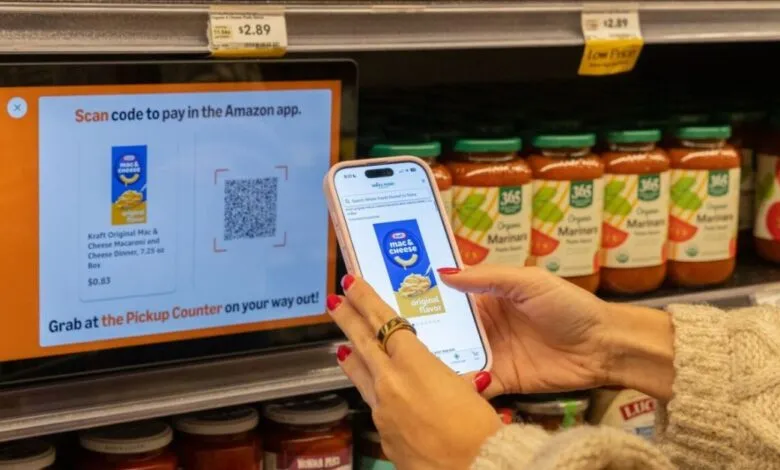
Amazon is redefining the grocery shopping experience by integrating its vast online marketplace directly into Whole Foods locations. The company recently unveiled a new concept store in Plymouth Meeting, Pennsylvania, where shoppers can scan QR codes to order popular Amazon Fresh items like Kraft Mac & Cheese, Goldfish crackers, and Nestlé Drumsticks directly from their phones while walking the aisles. This hybrid approach allows customers to access a wider range of products without compromising the store’s established identity centered on natural and organic goods.
At the heart of this initiative is a built-in microfulfillment center stocked with items not typically found on Whole Foods shelves. When an order is placed, autonomous robots, known as ShopBots and developed by Fulfil, spring into action to gather the products. Shoppers receive a text message once their order is ready for collection at a designated Amazon pickup counter located inside the store. This system is designed to merge the immediacy of in-store shopping with the extensive selection of an online marketplace.
The Pennsylvania location serves as a testing ground for a potential wider rollout. Amazon has stated it intends to refine the concept based on direct customer feedback before expanding the offering to other Whole Foods stores in the future. This strategy was initially reported by The Wall Street Journal last year, and Amazon’s recent blog post provides deeper insight into the format’s operations and goals.
This is not Amazon’s only experiment in blending its grocery brands. In a separate move, the company launched a store in Chicago that physically places an Amazon Fresh market right next to a Whole Foods, creating a unique shopping corridor. These developments highlight a broader trend of consolidation within Amazon’s grocery division. Over the past year, the operations of Amazon’s grocery business and Whole Foods have become increasingly intertwined.
A significant leadership change earlier this year saw Whole Foods CEO Jason Buechel appointed as the Vice President of Amazon’s overall grocery business. Furthermore, Amazon plans to convert Whole Foods corporate employees into Amazon staff by December, signaling a deeper operational merger. For customers in Plymouth Meeting, the new system offers flexibility; they can place orders either in-store via QR codes or online for subsequent in-store pickup or home delivery.
Jason Buechel emphasized the customer-centric vision behind these changes, noting that the company is focused on making grocery shopping more convenient by creatively blending their various grocery offerings and leveraging new fulfillment capabilities. This integrated approach represents a significant step in Amazon’s long-term strategy to dominate the grocery sector by seamlessly connecting its digital and physical retail assets.
(Source: The Verge)