Top 9 Email Marketing Tools for Dentists in 2025
▼ Summary
– Email marketing helps dental practices automate appointment reminders, personalize patient communications, and improve retention through targeted messaging.
– Dental email marketing platforms must be HIPAA-compliant to handle protected health information for appointment reminders and treatment follow-ups.
– Key features for dental email software include automation, patient segmentation, mobile-responsive templates, practice management integrations, and analytics.
– HubSpot is highlighted as a comprehensive HIPAA-compliant solution with advanced segmentation, automation, and integration capabilities for dental practices.
– The article provides a detailed comparison of email marketing tools, including pricing and features, to help dental practices select the right platform.
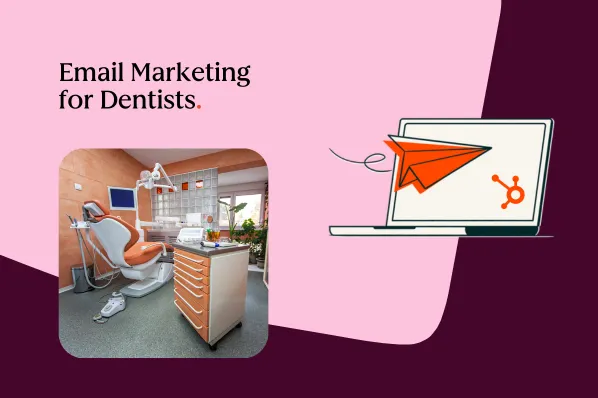
For dental practices seeking to enhance patient communication and practice growth, email marketing represents a powerful tool that goes beyond simple appointment reminders. By implementing strategic email campaigns, dentists can significantly reduce no-show rates, improve patient retention, and increase acceptance of recommended treatments while maintaining compliance with healthcare regulations. With the average open rate for dental emails hovering around 40%, this channel offers exceptional engagement potential when executed properly.
Managing a successful dental practice involves far more than clinical expertise alone. Between scheduling complexities, treatment follow-ups, and regulatory requirements, traditional communication methods often prove insufficient for maintaining strong patient relationships. Email marketing provides a scalable solution that keeps your practice top-of-mind while automating routine communications that would otherwise consume valuable staff time.
The right email marketing platform can transform how dental practices operate by enabling better patient segmentation. Organizing contacts by treatment history, demographics, or engagement behavior allows for highly targeted messaging that resonates with specific patient groups. This might involve promoting orthodontic services to families with teenagers, cosmetic procedures to adults aged 35-55, or dental implant consultations to senior patients. Advanced segmentation capabilities can cut contact management time by up to 50% while dramatically improving communication relevance.
Automated appointment reminders represent one of the most valuable applications of email marketing for dental practices. These systems can integrate directly with practice management software to send confirmation emails immediately after booking, followed by strategically timed reminders at 48 hours and 24 hours before appointments. Research demonstrates that automated reminders can reduce no-shows by up to 40%, recovering an average of $150-200 per occurrence in lost revenue and preventing schedule disruptions.
Patient retention improves significantly through regular email communication that keeps patients engaged between visits. Practices can share oral health tips, team updates, seasonal promotions, and even birthday greetings to build stronger relationships. Educational content explaining procedures, addressing common concerns, and showcasing results helps patients feel more confident about recommended treatments, particularly higher-cost options like implants or cosmetic work.
When evaluating email marketing platforms, HIPAA compliance must be the primary consideration for any communication involving patient health information. Platforms must maintain specific security standards and sign Business Associate Agreements to legally transmit protected health information. This compliance is essential for appointment reminders, treatment follow-ups, and any campaigns based on medical history, though general marketing emails without specific health details may not require these safeguards.
Essential features for dental email marketing software include:
Automation capabilities that trigger emails based on specific events or time intervals, eliminating manual reminder calls and ensuring consistent communication.
Mobile-responsive templates that display correctly on smartphones and tablets, where over 60% of emails are opened.
A/B testing functionality to optimize subject lines, content, and send times based on what resonates best with your patient base.
Seamless integration with practice management systems like Dentrix, Eaglesoft, and Open Dental to prevent duplicate data entry and enable automation based on scheduling events.
Comprehensive analytics that track opens, clicks, appointment bookings, and revenue attribution to demonstrate marketing ROI.
Leading platforms offer varying strengths depending on practice needs:
- HubSpot provides the most comprehensive solution with robust automation, integrated CRM, and full HIPAA compliance, making it ideal for practices seeking an all-in-one patient engagement platform.
- Mailchimp offers an accessible entry point with intuitive drag-and-drop interfaces and extensive template libraries, though it lacks built-in HIPAA compliance.
- Constant Contact excels in event marketing capabilities, making it well-suited for practices that regularly host community seminars or open houses.
- ActiveCampaign delivers sophisticated automation with conditional logic for practices with complex patient journey requirements.
- AWeber focuses on reliability and user-friendly functionality, particularly for newsletter-focused communications.
- Kit (formerly ConvertKit) caters to content-driven practices that publish educational blogs and resources.
- Drip specializes in multi-channel campaign orchestration across email, SMS, and on-site messaging.
- Campaign Monitor emphasizes brand consistency and visual design for premium practices.
- Moosend provides powerful automation at affordable pricing for growing practices.
Implementing an effective email marketing strategy involves mapping all patient touchpoints, from initial inquiry through ongoing care. Common workflows include new patient welcome sequences, appointment confirmations, pre-appointment reminders, post-treatment care instructions, recall campaigns for overdue cleanings, and educational sequences for high-value treatments. Each of these touchpoints represents an opportunity to strengthen patient relationships while driving practice growth.
The most successful dental email campaigns begin with clear objectives and measurable success metrics. Whether aiming to fill schedule gaps, promote seasonal services, increase hygiene attendance, or drive consultations for specific treatments, having defined goals provides direction and enables performance evaluation. Campaigns should feature mobile-optimized designs with clear calls-to-action, personalized content using available patient data, and systematic testing to continuously improve effectiveness.
Regular performance monitoring allows practices to refine their email strategy over time. Tracking open rates gauges subject line effectiveness, while click-through rates assess content relevance. Most importantly, measuring appointment bookings and revenue attributed to specific campaigns provides concrete evidence of marketing ROI. Practices typically see significant improvements in patient retention, treatment acceptance, and operational efficiency within months of implementing a structured email marketing program.
For dental practices ready to transform patient communication, email marketing offers a proven path to stronger relationships, reduced administrative burden, and sustainable practice growth. The combination of automation, personalization, and compliance creates a communication framework that supports both clinical excellence and business objectives.
(Source: HubSpot Marketing Blog)