Pitchfork Tests User Reviews and Comments as It Nears 30
▼ Summary
– Pitchfork is introducing user-generated content and comments to maintain relevancy amid industry struggles with shifting audiences and declining ad revenue.
– The site historically offered limited reader interaction, with no direct way for users to comment on reviews or voice opinions on the platform.
– Users can now comment on reviews and assign their own scores to albums using Pitchfork’s rating system, which will be displayed alongside their comments.
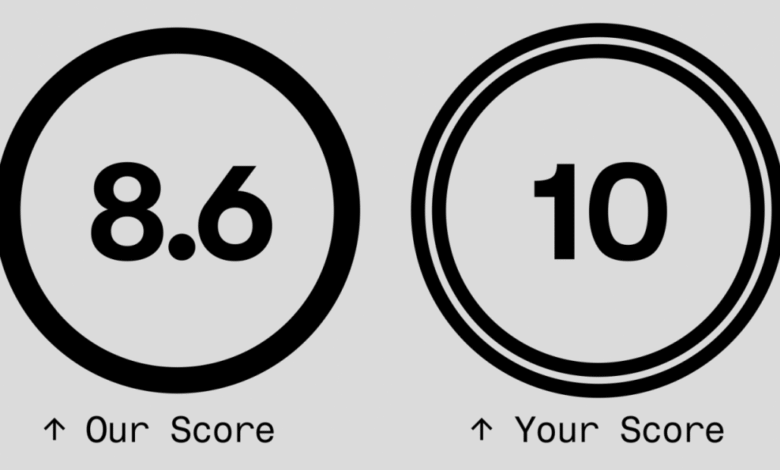
– Reader scores will be aggregated into a single “reader score” for each album, shown next to Pitchfork’s official score in reviews.
– This change aims to create a dual-scoring system, potentially leading to disparities between Pitchfork’s ratings and reader consensus.
As the influential music publication Pitchfork approaches its 30th anniversary, it is rolling out significant changes to its platform, including user reviews and comment sections. This move comes at a time when many other websites are phasing out comment features entirely. The platform, long known for its authoritative critical voice, appears to be embracing a more community-driven model reminiscent of Rotten Tomatoes, but for the music industry. This strategic pivot reflects broader challenges within the digital media landscape, where traditional advertising revenue has declined and audience attention has increasingly shifted toward social media influencers.
For most of its history, Pitchfork presented a singular perspective. Its reviews were the final word, with little opportunity for direct reader interaction on the site itself. Occasional reader polls existed, but there was no integrated system for fans to debate a score or champion an underrated album. If you passionately believed an album like Jet’s Shine On was unfairly rated, your only recourse was to voice that opinion elsewhere, such as on the then-emerging platform Twitter.
The new initiative fundamentally changes that dynamic. The platform is testing a system that allows users to not only post comments directly on reviews but also to assign their own numerical score to an album. These individual user scores will then be compiled and averaged to produce a collective “reader score,” which will be displayed alongside the official critic’s rating. According to the announcement, the new layout for an album review will feature the publication’s score, the aggregated reader score, and the accompanying user comments.
This new layer of crowd-sourced criticism is poised to create fascinating contrasts. It invites speculation about which album might become the first to receive the ultimate divergence: a perfect 10.0 from the official critic paired with a resounding zero from the readership.
(Source: The Verge)