US Seeks 10% Stake in Intel, Backed by Bernie Sanders
▼ Summary
– The US plans to acquire a 10% non-voting stake in Intel and potentially other chipmakers as part of its CHIPS Act grants.
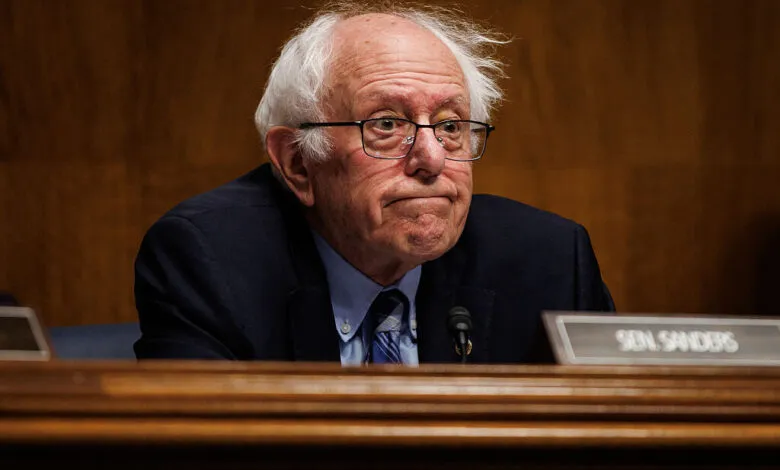
– Senator Bernie Sanders supports the plan, stating taxpayers deserve a return on investment if companies profit from federal grants.
– Commerce Secretary Howard Lutnick is driving the initiative, though the Trump administration is credited with the idea.
– Major chipmakers like TSMC, Samsung, and Micron have not yet commented and may risk grant clawbacks if deals aren’t made.
– The US government has clarified that its stake would not include voting rights or governance control over the companies.
In a rare moment of political alignment, Senator Bernie Sanders has voiced support for a Trump administration proposal that would see the United States government acquire a 10% stake in Intel Corporation. The unconventional plan, confirmed by Commerce Secretary Howard Lutnick, would tie federal CHIPS Act grants to the acquisition of non-voting shares in leading semiconductor manufacturers, allowing American taxpayers to share in the profits generated by these heavily subsidized companies.
Sanders emphasized that if chipmakers benefit financially from public funding, citizens deserve a return on that investment. “If microchip companies make a profit from the generous grants they receive from the federal government, the taxpayers of America have a right to a reasonable return on that investment,” the Vermont independent stated.
Though the White House credited former President Trump with the initiative, insiders indicate that Lutnick has been the driving force behind the equity proposal. Described as a “creative idea that has never been done before,” the strategy aims to bolster both national and economic security while ensuring public funds yield financial returns.
While Intel has entered into discussions regarding the arrangement, other major CHIPS Act beneficiaries, including TSMC, Samsung, and Micron, have remained silent. There are indications that companies refusing such equity agreements could face clawbacks of previously awarded grants.
Taiwan’s Economy Minister, Kuo Jyh-huei, acknowledged the uncertainty surrounding the proposal, noting that his ministry plans to consult with TSMC to better understand the implications. Lutnick has sought to ease concerns by clarifying that the US government would not seek voting rights or governance influence, ensuring that corporate operations remain independent despite partial public ownership.
(Source: Ars Technica)