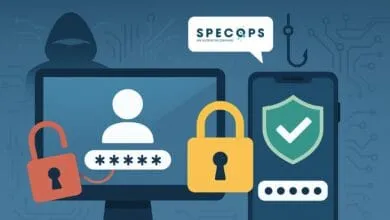
Stolen Credentials: Why Hackers Still Prefer Them

▼ Summary
– Simple, reliable tools like duct tape and stolen credentials remain effective because they get the job done without complexity.
– Stolen passwords are cybercriminals’ preferred method due to their simplicity, availability, and effectiveness in bypassing security.
– Despite advancements like 2FA and passkeys, passwords persist due to user familiarity and ease of implementation for developers.
– Human behavior, such as password reuse, makes stolen credentials a persistent threat, even with security measures in place.
– Cybersecurity efforts must prioritize fundamentals like password hygiene and mandatory MFA to mitigate risks from evolving threats.
Stolen credentials remain the go-to weapon for cybercriminals, proving that even in an era of advanced hacking techniques, simplicity often trumps complexity. Much like duct tape fixes problems with brute efficiency, hackers rely on stolen usernames and passwords because they work, no cutting-edge tools required.
Despite years of warnings, passwords stubbornly persist as the weakest link in digital security. While multi-factor authentication (MFA) and passkeys offer stronger protection, adoption remains sluggish. Users still default to familiar, but risky, habits, like reusing passwords across accounts. This human tendency turns stolen credentials into a hacker’s dream: cheap, abundant, and shockingly effective.
Combolists, databases of leaked credentials, flood underground markets, making breaches alarmingly easy to execute. Even amateurs can purchase these lists and test them across platforms, exploiting reused passwords. Though some markets operate on the dark web, others, like the now-defunct Genesis Market, operated openly until law enforcement intervened. Without MFA, stolen credentials bypass security checks effortlessly, granting attackers access to personal and corporate data.
The persistence of password-based attacks underscores the need for fundamental security improvements. While headlines focus on AI-driven threats or zero-day exploits, basic password hygiene remains critical. Encouraging unique, complex passwords and enforcing MFA across organizations can drastically reduce risk. Security teams must prioritize education, making strong authentication non-negotiable at every level.
Cybercriminals won’t abandon what works, and stolen credentials aren’t disappearing anytime soon. Businesses and individuals must adapt by treating passwords as the vulnerability they are, before hackers exploit them yet again.
(Source: HelpNet Security)