▼ Summary
– The DEA plans to temporarily classify 7-OH, a potent kratom component, as a Schedule I drug, banning products exceeding a specific threshold for two years, citing risks of addiction and dependence.
– The ban is a win for the mainstream kratom industry, which has opposed 7-OH with support from government officials, including President Donald Trump, who endorsed natural kratom.
– Natural kratom contains trace amounts of 7-OH, but unregulated 7-OH products are far more potent and have proliferated in gas stations and smoke shops.
– Officials like HHS Secretary Robert F. Kennedy Jr. and DHS Secretary Markwayne Mullin have ties to the kratom industry, with Mullin investing in Botanic Tonics, maker of Feel Free kratom drinks linked to withdrawal claims.
– The 7-OH industry opposes the ban, arguing it lacks scientific basis, while advocates say products help manage pain, but critics call them “gas station heroin” due to opioid-like effects.
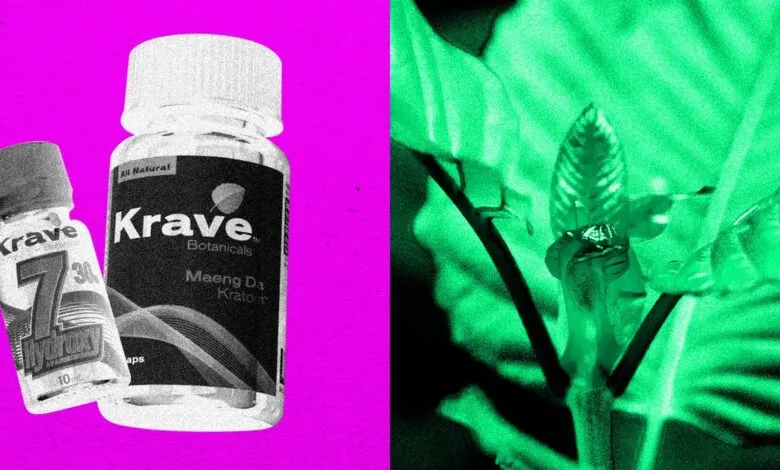
The Drug Enforcement Administration is moving to temporarily classify 7-OH, a potent compound found in kratom, as a Schedule I controlled substance,the same legal category as heroin. This action targets the synthetic version of 7-OH, which has flooded gas stations and smoke shops nationwide in forms like gummies, drinks, and capsules.
A draft notice of intent, set for publication in the Federal Register on Monday, outlines the DEA’s plan to impose a two-year emergency ban on products exceeding a specific 7-OH threshold, with the possibility of a one-year extension. The agency argues that 7-OH “presents severe risks to public health, including tolerance, dependence and addiction.”
This decision marks a significant victory for the mainstream kratom industry, which has actively campaigned against 7-OH with support from high-profile figures, including President Donald Trump.
Kratom, a plant native to Southeast Asia, offers mild analgesic and antidepressant effects at low doses and naturally contains only trace amounts of 7-OH. However, the recent surge in unregulated 7-OH products has created a market for far more potent alternatives.
In May, Trump publicly endorsed “natural 7-OH,” referring to traditional kratom, and indicated the administration was exploring ways to “get that approved.” As previously reported by WIRED, both Health and Human Services Secretary Robert F. Kennedy Jr. and Department of Homeland Security Secretary Markwayne Mullin have notable connections to the kratom industry. Kennedy was photographed with JW Ross, a convicted criminal and founder of Botanic Tonics, the company behind Feel Free kratom drinks. Federal agents raided Botanic Tonics in 2023, with the FDA citing insufficient data on whether kratom, marketed as a dietary supplement, poses “a significant or unreasonable risk of illness or injury.” Mullin has invested up to $1 million in the same company.
Numerous Feel Free consumers have reported severe withdrawal symptoms. In December, the Department of Justice dropped its case against Botanic Tonics; months later, an LLC tied to Feel Free donated $500,000 to the MAHA PAC. A DHS spokesperson told WIRED that Mullin “follows all ethics and conflict of interest standards and has not lobbied for any individual or company,” adding that as a senator, he worked alongside Kennedy to regulate 7-OH, which they describe as “a synthetic drug marketed to kids at convenience stores via deceptive packaging.”
Often called “gas station heroin,” 7-OH activates mu-opioid receptors in the brain, giving it addictive potential. Even traditional kratom products, when taken in high doses, can cause similar issues.
Kratom lobbyists are applauding the proposed ban. “This DEA action should end the debate,” said Mac Haddow, senior fellow on public policy for the American Kratom Association, in a press release. He emphasized that “chemically manipulated 7-OH opioids are not kratom” and called them dangerous products that exploit natural kratom’s reputation while creating a public health threat.
The 7-OH industry, however, is pushing back. Jeff Smith, executive director of the Holistic Alternative Recovery Trust, argued in a statement that there is no scientific basis for the ban. “Hundreds of thousands of consumers are eager to share how 7-OH has helped them manage pain, return to work, care for their families, and reclaim their life,” he said. The ban would take effect after a 30-day public comment period.
(Source: Wired)