Science Needs You: Have Your Say
▼ Summary
– The OMB proposed a rule that would make political priorities the main factor in funding scientific research, sidelining scientific experts and allowing grants to be canceled for political reasons.
– The rule, unlike executive orders, would have the force of law and be harder to challenge in court, but must undergo a public feedback process before taking effect.
– The proposal would sideline peer review, give political appointees final funding decisions, and allow grant cancellation at any time based on vague criteria like “national interest.”
– The OMB justifies the rule as improving transparency, accountability, and oversight, aiming to prevent waste and ensure consistency with policy.
– The deadline for public feedback is Monday, July 13, and the article explains why input matters and how to craft an effective submission.
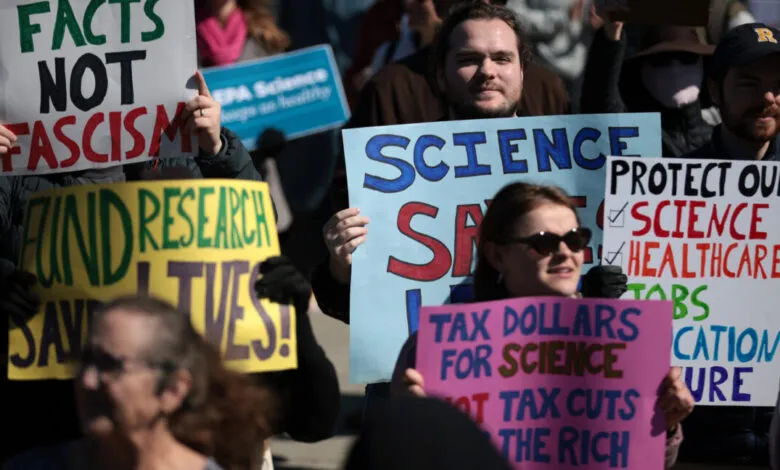
Near the end of May, the Office of Management and Budget (OMB) introduced a proposed rule that would reshape how the federal government manages its grants, including those that support the overwhelming majority of scientific research across the United States. If finalized, this regulation would prioritize political objectives over expert scientific judgment when deciding which projects receive funding. Grants could be revoked on a whim, and researchers would face new bureaucratic hurdles for routine activities such as publishing findings or attending academic conferences. Unlike the executive orders it mirrors, this rule would carry the full weight of law and would be far more difficult to challenge in court.
Before the rule can take effect, it must undergo a public comment period, during which feedback can influence potential revisions. That deadline is Monday, July 13, and it is fast approaching. I want to explain why this proposal poses such a serious threat, why your input matters, and how you can submit a compelling response.
Why the stakes are high
In Ars’ earlier analysis of the OMB proposal, I highlighted several alarming provisions. The rule explicitly sidelines peer review as the primary measure of scientific merit. It grants political appointees final authority over funding decisions. It allows the government to cancel any grant at any time after issuance. It permits funding decisions to hinge on vague political litmus tests such as “in the national interest” or “aligned with administration policies and priorities.” And it requires political appointees to approve any spending related to conferences or publishing.
The OMB frames these changes as a way to “improve transparency, accountability, and oversight” and “reduce recipient burden.” According to the rule’s introduction, the goal is “ensuring that American tax dollars are not wasted or misused, activities performed under Federal awards are consistent with law and policy, and recipients are held accountable when they fail to meet relevant standards.” But the practical effect would be to inject political interference into the scientific process, undermining the independence and integrity of research that benefits the public.
(Source: Ars Technica)