Zenith TV’s Disappearance: What Happened to the Brand
▼ Summary
– Zenith was a leading American TV manufacturer known for high-quality sets and was an early producer of HDTV.
– The company filed for Chapter 11 bankruptcy in 1999 and was fully acquired by GoldStar (later LG), becoming a subsidiary that stopped focusing on TVs.
– Intense competition from larger global brands like Sony and Panasonic made it difficult for Zenith to compete in marketing and innovation.
– To cut costs, Zenith moved production to cheaper regions, which damaged its reputation for quality.
– Despite its demise, experts note that old Zenith CRT TVs are still valued today for retro gaming and playing VHS tapes.
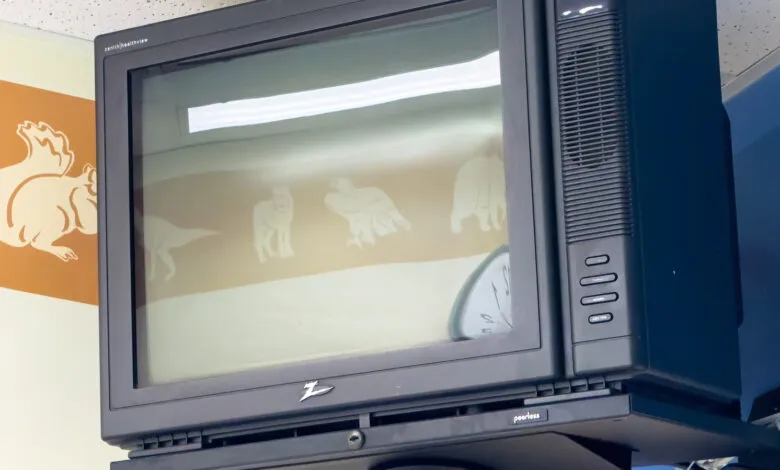
For decades, Zenith stood as a symbol of premium American television manufacturing. The brand built its reputation on superior picture and sound, famously promising that “The quality goes in before the name goes on.” This commitment made it a top choice for home theater enthusiasts seeking a high-fidelity centerpiece. The company’s trajectory, however, took a dramatic turn in 1999 when it filed for Chapter 11 bankruptcy. This led to its full acquisition by GoldStar, the South Korean firm that would later become LG Electronics. Following this acquisition, Zenith ceased to be an independent TV brand, operating as a subsidiary and eventually shifting its focus away from television production entirely.
Ironically, Zenith was an early pioneer in the very technology that defined modern viewing. The company was among the first to develop and produce high-definition television (HDTV) sets, which gained significant popularity in the late 1990s. This innovation makes its collapse just as the HDTV era dawned particularly notable. The brand’s disappearance resulted from a confluence of market pressures. Intense global competition from established giants like Sony, Panasonic, and RCA created a crowded and aggressive marketplace. Many of these competitors had already moved manufacturing to regions with lower production costs. When Zenith finally attempted a similar shift to cut expenses, the perceived quality of its products suffered, tarnishing its hard-earned reputation.
Furthermore, Zenith remained a relatively small player compared to the rapidly expanding global electronics industry. This size disadvantage limited its capacity for large-scale marketing campaigns and continuous technological innovation. The combination of fierce competition, strategic missteps in manufacturing, and financial constraints created an unsustainable position. The brand could no longer compete effectively, leading to its iconic TVs vanishing from retail shelves.
Today, finding a new Zenith television is impossible, but the brand enjoys a vibrant second life among collectors and retro technology enthusiasts. Experts often recommend snapping up a vintage Zenith CRT TV if you spot one at a thrift store or flea market. These older sets are considered phenomenal for retro gaming consoles and watching classic media like VHS tapes, as they display the content with the authentic scan lines and color presentation intended by the original creators. In this niche, the quality Zenith was once known for continues to be appreciated.
(Source: BGR)