When Will the Gaming Industry Finally Change?
▼ Summary
– The video game industry continues to pursue the live-service model popularized by Fortnite, despite most such games failing quickly.
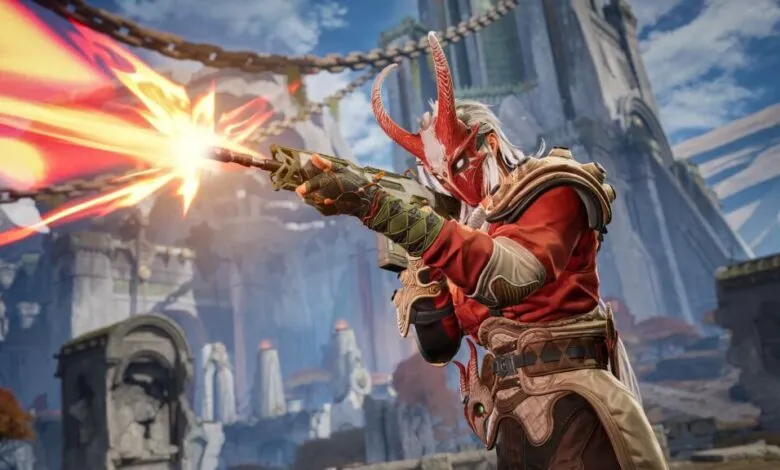
– Highguard, a recent live-service shooter, is shutting down after only about 45 days, following a pattern of short-lived releases like Concord.
– These games often take years and millions of dollars to develop by veteran studios, chasing trends that may have faded by launch.
– Most attempts either bomb immediately at launch or rapidly lose their initial player base to established competitors.
– Even games that attract a large initial audience, like XDefiant or Highguard, often fail to retain players long-term.
The gaming industry’s relentless pursuit of the elusive live-service success story continues to yield more cautionary tales than triumphs. The recent shutdown of Highguard, a multiplayer shooter that will go offline after roughly 45 days, is merely the latest example in a growing list of expensive failures. This pattern raises a critical question: when will publishers reconsider their strategy of chasing trends with massive, always-online projects that frequently crash at launch? The financial and creative costs are staggering, diverting vast resources and developer talent away from potentially more sustainable and innovative ventures.
There is now a predictable lifecycle for these endeavors. A studio, often staffed with veterans from hit franchises, spends years developing a game designed to capitalize on a current trend. The inherent delay in production means the trend has often faded by launch day. After consuming millions in budget and countless work hours, the game is unveiled to a frequently skeptical audience. Online communities, having seen this story before, often dismiss it as a derivative clone, a criticism that, unfortunately, proves accurate more often than not.
Upon release, the outcomes are starkly divided. A rare title like Arc Raiders might defy expectations with a strong debut. The far more common result is a commercial disaster. Concord infamously peaked at just 697 concurrent players on Steam, a clear signal that its marketing and pricing failed to generate genuine interest beyond cynical online jokes. The problem isn’t always a complete lack of initial players. Some games, like XDefiant, achieve impressive launch numbers, hundreds of thousands of active users, only to be shut down little over a year later because they cannot maintain that audience.
This highlights the core issue: player retention in an oversaturated market. Highguard itself attracted nearly 100,000 concurrent players at its peak, a figure comparable to some of Steam’s top titles. Yet, it lost over 90% of those users within days as players returned to their established favorites. The market is flooded with endless content, and new live-service games must compete not only with each other but with deeply entrenched titles that have years of content and community loyalty. Building a lasting player base requires more than a flashy launch; it demands a compelling, unique hook and a long-term content plan that can convince people to stay. Most of these costly attempts lack that essential staying power, serving instead as monuments to misallocated ambition.
(Source: AV Club)