Xbox’s Future: Can Microsoft Save It?
▼ Summary
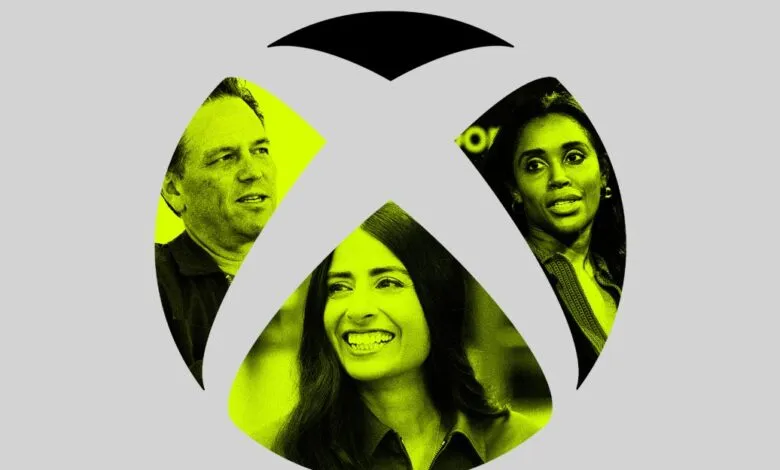
– Phil Spencer, the longtime head of Xbox, has retired, and his expected successor Sarah Bond has also left, with leadership passing to Asha Sharma, a Microsoft AI executive with no prior gaming industry experience.
– This major leadership shakeup follows a period where Xbox, despite massive acquisitions like Activision Blizzard, has remained in third place behind Nintendo and PlayStation, with its core strategies failing to achieve desired growth.
– A central, unfulfilled strategy was to make Xbox and its Game Pass subscription ubiquitous via cloud and mobile, but this was hampered by technical hurdles, platform rules from Apple and Google, and an inability to scale the service as projected.
– The new CEO, Asha Sharma, is seen as an operator focused on execution and user acquisition, suggesting Microsoft may stick with the broad “Xbox everywhere” vision but aim to improve its implementation rather than radically change course.
– Despite speculation, the analysis suggests Microsoft is unlikely to exit the console hardware business entirely, as Xbox remains its major consumer brand and the Activision investment is too large to simply write off.
The future of Xbox faces a critical juncture following a dramatic leadership overhaul. Longtime chief Phil Spencer has retired, and in a surprising move, his presumed successor Sarah Bond has also departed. Stepping into the role is Asha Sharma, a Microsoft AI executive with no prior gaming industry experience, signaling a potential strategic pivot for the division. This shakeup arrives after years of ambitious initiatives under Spencer, including the Game Pass subscription service, a major cloud gaming push, and the historic acquisition of Activision Blizzard, yet the platform remains in third place behind Sony and Nintendo.
The core challenge lies in executing a vision that expands Xbox beyond the console. Spencer’s strategy focused on reaching “3 billion gamers” through mobile and cloud streaming, aiming to make content accessible everywhere. However, this plan has encountered significant roadblocks. Regulatory hurdles with Apple and Google have stifled mobile ambitions, preventing a native Xbox cloud gaming app or storefront. Meanwhile, the Game Pass subscription model faces scaling challenges, with growth plateauing well below internal targets and necessitating price increases. The heavy investment in studio acquisitions like Bethesda and Activision was meant to fuel content for this ecosystem, but integrating these giants and improving profit margins has proven difficult.
Internally, pressure from Microsoft’s top leadership, including CEO Satya Nadella and CFO Amy Hood, to improve financial returns has shaped recent decisions. This led to studio closures, game price hikes, and marketing campaigns that sometimes confused the brand’s identity. The promotion of Asha Sharma suggests a new emphasis on operational execution and platform scaling. While not a “gamer” in the traditional sense, her background in product management at Meta and platform scaling at Microsoft’s CoreAI division points to a focus on user acquisition and systemic growth, areas where Xbox has struggled.
Despite the turbulence, Xbox is not without assets or hope. It retains a loyal user base and controls iconic franchises like Halo, Call of Duty, and Minecraft. The next generation of hardware is rumored to lean further into a PC-like architecture, potentially opening new avenues. The key question is whether Sharma can refine the existing “Xbox everywhere” strategy with more disciplined execution, or if a more fundamental reboot is required. Abandoning the console ecosystem entirely seems unlikely given the massive investment in Activision and the value of the Xbox brand itself. Instead, the path forward likely involves a renewed focus on the core platform while patiently navigating the external barriers to mobile and cloud expansion. The coming months will reveal if this leadership change can finally translate Microsoft’s immense resources into a sustainable and growing position in the gaming market.
(Source: The Verge)