Rocket Lab, Chinese launches face setbacks in 12-hour span
▼ Summary
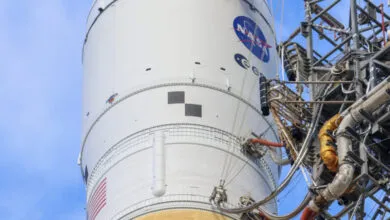
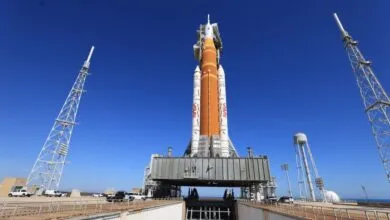
– NASA rolled the Artemis II mission’s massive rocket to its launch pad in Florida, marking an advancement.
– Chinese launchers experienced two failures within about 12 hours, representing a significant setback.
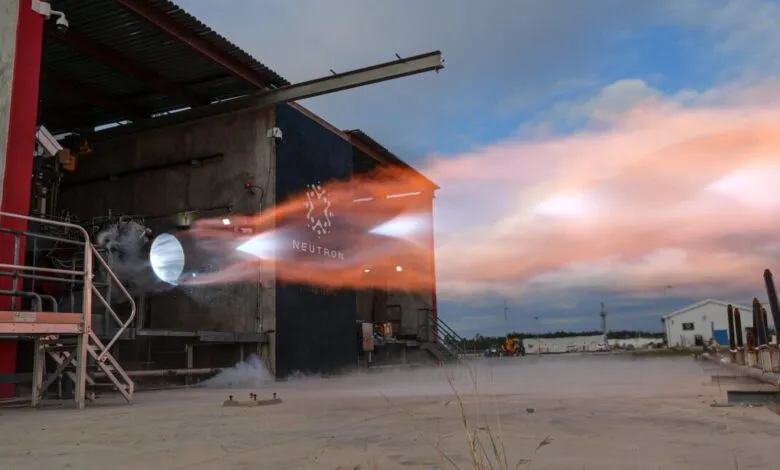
– Rocket Lab’s Neutron launch vehicle debut may be delayed after a failure during a key qualification test.
– Gilmour Space Technologies secured $148 million in funding, making it a highly valued Australian “unicorn” startup.
– The investment aims to develop Australia’s sovereign launch capability, reducing reliance on foreign providers like SpaceX.
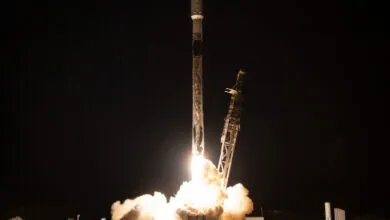
The past week in spaceflight delivered a dramatic mix of progress and unexpected challenges. While NASA achieved a significant milestone by moving the Artemis II moon rocket to its Florida launch pad, the global launch industry faced a difficult twelve-hour period marked by significant setbacks. Chinese launch vehicles experienced consecutive failures in rapid succession, and Rocket Lab’s development of its Neutron rocket encountered a potential delay following a failure during a crucial qualification test. These events underscore the inherent volatility and high stakes of modern rocket development.
In other news, Australia is making a substantial strategic investment to establish its own independent launch capability. Gilmour Space Technologies has secured a major funding round totaling 217 million Australian dollars, equivalent to roughly $148 million. This investment, led by government and private pension funds, propels the Queensland-based company to “unicorn” status with a valuation exceeding $1 billion. CEO Adam Gilmour emphasized this capital infusion finally provides the resources to compete on a more level playing field with well-funded American aerospace firms.
The investment is driven by strategic concerns over national security and access to space. Australia currently relies heavily on foreign providers, primarily SpaceX, to launch its government, defense, and commercial satellites. With launch backlogs in the United States extending for years and global geopolitical tensions influencing space infrastructure, developing a sovereign launch capacity has become a top priority for Canberra. Gilmour Space’s first orbital attempt, the Eris rocket, launched in July of last year but crashed back to Earth after only fourteen seconds of flight. The company viewed that brief flight as a partial success, noting that initial launches in the industry often end in failure, and the new funding is aimed at supporting the path to a successful mission.
(Source: Ars Technica)