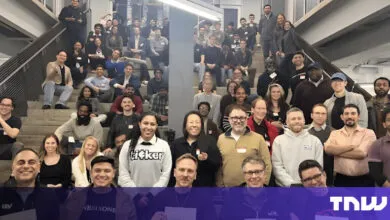
Where Tech’s Top Minds Meet Today

▼ Summary
– The traditional tech event model prioritized large attendance as a measure of success, but this no longer aligns with how today’s leaders work.
– Senior decision-makers now prioritize small, curated gatherings where they can have honest, open discussions over large-scale conferences for visibility.
– In intimate settings, trust forms quickly, leading to more open sharing of challenges, faster partnership exploration, and quicker decisions.
– While large conferences still provide valuable energy and exposure for new voices, they are no longer where serious, impactful business is conducted.
– A gap is widening as event strategies often still chase scale, but senior leaders are increasingly allocating their time to smaller, more focused meetings that respect their attention.
The landscape of professional gatherings for technology leaders has fundamentally shifted, moving away from massive crowds toward intimate, high-value exchanges. Senior executives and founders now prioritize environments where genuine dialogue and strategic insight can flourish over simply being seen at the largest event. The traditional metric of success, sheer attendance numbers, has lost its relevance for those who carry the weight of real organizational decisions. Their time is a precious commodity, and they invest it where it yields the greatest return: in focused conversations with trusted peers.
For years, the industry equated bigger events with greater impact. Festivals expanded, speaker lists grew, and headcounts became a primary marketing point. Yet, a quiet but powerful change in behavior has taken root. When evaluating where to spend their limited time, today’s leaders ask pointed questions. They want to know exactly who will be participating, how discussions will be structured, and whether the setting fosters candor. The total number of registrants rarely enters the conversation.
This shift reflects a deeper need. Leaders operating at the highest levels already possess visibility; what they seek is clarity. They are drawn to rooms where time directly translates into actionable insight, where challenges can be shared without public posturing, and where partnerships can be explored without rigid formalities. The dynamic in a small, curated setting is profoundly different from that on a large stage. In intimate groups, trust forms organically because every participant has earned their place at the table. People speak openly about vulnerabilities they would never broadcast, leading to faster, more decisive outcomes.
In contrast, the atmosphere at large-scale conferences often encourages caution. Presentations become performances, real questions are tabled for “later” discussions that never materialize, and the potential for transformative connection diminishes. While these large events still serve a vital purpose, energizing the broader ecosystem, amplifying new voices, and providing exposure for emerging founders, they are increasingly not the venues where pivotal business is conducted.
The substantive work that shapes the future of companies now happens where attention is protected and confidentiality is assured. Decision-makers are actively reallocating their time away from sprawling festivals toward closed-door discussions, private dinners, and carefully vetted gatherings. They are not abandoning conferences altogether but are selectively rejecting formats that fail to respect their focus and contribution. This behavioral change is a quiet referendum, voted on with their calendars.
Despite this clear trend, much of the event industry remains anchored to an outdated model, prioritizing sponsor revenue, social media buzz, and year-over-year attendance growth. This creates a growing gap. Events optimized for volume will find it increasingly difficult to attract the very leaders who drive innovation. The criteria for a worthwhile meeting have evolved, not with loud announcements, but through consistent, deliberate choice.
Some organizers will continue to chase scale, and large festivals will still have their place. However, the individuals steering the world’s most influential tech companies are already operating differently. They are choosing to meet in rooms where conversations have depth, trust is a given, and every minute feels purposefully spent. This is the new paradigm for meaningful connection in technology, defining where the industry’s most consequential minds now gather to move forward.
(Source: The Next Web)