Xreal Files Patent Lawsuit Against Viture Over AR Glasses
▼ Summary
– Xreal has filed a patent infringement lawsuit in the US against Viture, alleging its AR glasses technology is used in Viture products like the Viture Pro.
– The lawsuit centers on a specific U.S. patent for optical technology that improves image quality and field-of-view in lightweight glasses.
– Patent lawsuits are increasing in the smart glasses industry, with recent cases involving Meta and a patent troll targeting other companies.
– Analysts state these lawsuits indicate the smart glasses market is growing mainstream and valuable, making intellectual property defense critical.
– While patent wars can stifle innovation, analysts note Xreal’s case involves two competing product-makers, not a patent troll without a product.
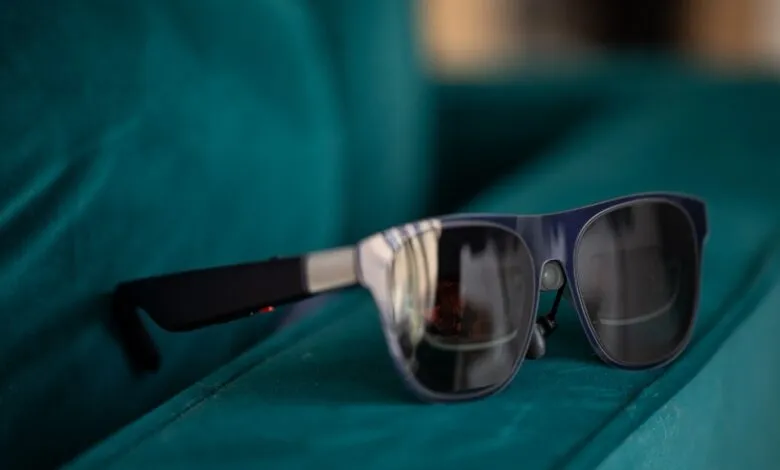
The emergence of patent litigation often signals a market’s transition into the mainstream, and the augmented reality glasses sector is no exception. Xreal has initiated a patent infringement lawsuit in the United States against competitor Viture, marking a significant legal escalation within the industry. The complaint, filed in the U.S. District Court for the Eastern District of Texas, centers on U.S. Patent No. 11,988,839. This patent covers specific optical technology designed to improve image quality and expand the field of view while maintaining a lightweight design for wearable displays. Xreal alleges that several Viture products, including the Viture Pro, Luma Pro, and Luma Ultra, unlawfully utilize this protected technology.
This U.S. action follows a legal victory for Xreal in Germany last November. A court there granted a preliminary injunction that prohibits Viture from selling, marketing, or importing its products across nine European Union countries. These legal maneuvers are part of a broader trend of increasing intellectual property disputes among companies developing smart glasses and extended reality hardware.
The competitive landscape is heating up, with other major players also facing legal challenges. Meta encountered two separate patent lawsuits in late 2025. One case involves the electromyography technology in its Neural Band accessory, which enables gesture control for its Ray-Ban smart glasses. The other lawsuit pertains to AI and recording features within the glasses themselves. Additionally, a firm named IngenioSpec has filed a complaint with the International Trade Commission against several companies, including Even Realities, Brilliant Labs, and Halliday, concerning patents related to AI glasses.
Industry analysts view this surge in litigation as a natural consequence of a growing market. “It demonstrates the market is reaching a substantial size and attracting enough attention that defending intellectual property is becoming critically important,” explains Anshel Sag, a principal analyst at Moor Insights and Strategy. “There are billions of dollars at stake for many companies, with the potential to control what could be the next major computing platform.”
Avi Greengart of Techsponential shares this perspective. “We are starting to see IP lawsuits in this area because smart glasses are now approaching mainstream status and more vendors are entering the space,” he notes. He points to Meta’s smart glasses selling in the millions, Xreal’s own volume sales, and its collaborative Project Aura with Google as evidence of the sector’s momentum. “If you possess a patent portfolio, you have an obligation to defend it.”
While patent wars can sometimes risk stifling innovation in a new field, analysts suggest the current situation in XR may be different. They distinguish between so-called “patent trolling” and disputes between active market competitors. The case between Xreal and Viture appears to fall into the latter category, focusing on whether one company is unfairly utilizing another’s core technological advancements.
“You encounter patent trolls frequently, especially in high-growth industries, but this situation does not really fit that mold,” Sag observes. “These are two direct competitors that both have commercial products in the market.” This distinction suggests the lawsuit is more about protecting a specific innovation within a competitive race, rather than a speculative legal action.
Requests for comment sent to Viture were not returned prior to publication. Xreal, citing a policy on active litigation, declined to provide a statement attributable to a named individual, directing inquiries to a company spokesperson instead.
(Source: The Verge)