Merriam-Webster’s 2025 Word of the Year Revealed: ‘Slop’
▼ Summary
– Merriam-Webster has declared “slop” the 2025 Word of the Year, defining it as low-quality, mass-produced AI-generated digital content.
– Major platforms like YouTube, Wikipedia, Spotify, and Pinterest have taken steps to limit the spread of this AI “slop.”
– Conversely, companies like Meta, OpenAI, and Disney are embracing AI-generated content through new apps and partnerships.
– The dictionary notes the word’s unappealing connotation, suggesting AI sometimes fails to convincingly replace human creativity.
– Other notable words for 2025 included “touch grass,” “tariff,” “performative,” and “gerrymander.”
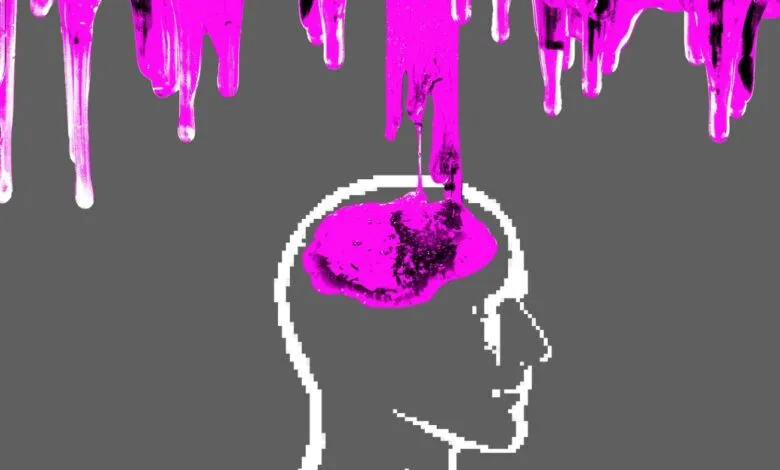
The digital landscape of 2025 has found its defining term, one that perfectly captures a widespread online phenomenon. Merriam-Webster has officially named “slop” as its Word of the Year. The dictionary now formally defines this term as low-quality digital content, typically mass-produced using artificial intelligence. This recognition arrives as AI-generated material becomes increasingly pervasive across websites, social media feeds, and streaming platforms.
This past year witnessed a significant pushback against this digital inundation. Major platforms like YouTube, Wikipedia, Spotify, and Pinterest implemented new policies specifically designed to curb the flood of AI slop. Their goal is to maintain standards of authenticity and reliability for their users. In a contrasting move, other tech giants have chosen to lean into the trend. Both Meta and OpenAI launched applications dedicated to endless streams of AI-generated video content, designed for effortless scrolling and sharing. The entertainment industry is also getting involved, with Disney securing a deal to feature videos created by OpenAI’s Sora model on its streaming service, alongside making a substantial financial investment in the company behind ChatGPT.
The choice of the word itself is deliberately evocative. Merriam-Webster notes that “slop” carries a distinctly unpleasant connotation, linguistically akin to words like “slime” or “muck.” It suggests something messy, unappealing, and best avoided. This lexical selection sends a clear, if subtle, message about the current state of AI creativity. While the technology is powerful, its output can often feel generic, soulless, and far from the nuanced work of human imagination.
Alongside “slop,” the dictionary highlighted several other terms that saw notable surges in lookups and usage throughout the year. The phrase “touch grass” continued its reign as a popular admonishment for those perceived as overly online. Economic and political discourse kept words like “tariff” and “gerrymander” in the public eye, while “performative” remained a critical descriptor for actions viewed as insincere or designed primarily for public approval. Together, these selections paint a picture of a year preoccupied with digital authenticity, political maneuvering, and the evolving relationship between human and machine-generated content.
(Source: The Verge)