Disney Sues Google Over AI Copyright Infringement
▼ Summary
– Disney has sent a cease-and-desist letter to Google, accusing its AI models of copyright infringement on a massive scale by using and distributing Disney’s characters and works.
– The letter claims Google has refused to implement available copyright controls and that its infringement has increased despite months of attempted engagement.
– Disney alleges Google’s AI services, like Veo and Gemini, act as a “virtual vending machine” generating unauthorized images and videos of its IP, such as Star Wars and Marvel characters.
– Disney demands Google cease using its IP, implement technical safeguards, and disclose which copyrighted works were used to train its AI models.
– The letter’s timing coincides with Disney announcing a partnership with OpenAI, which Disney presents as an example of a lawful, collaborative approach to AI.
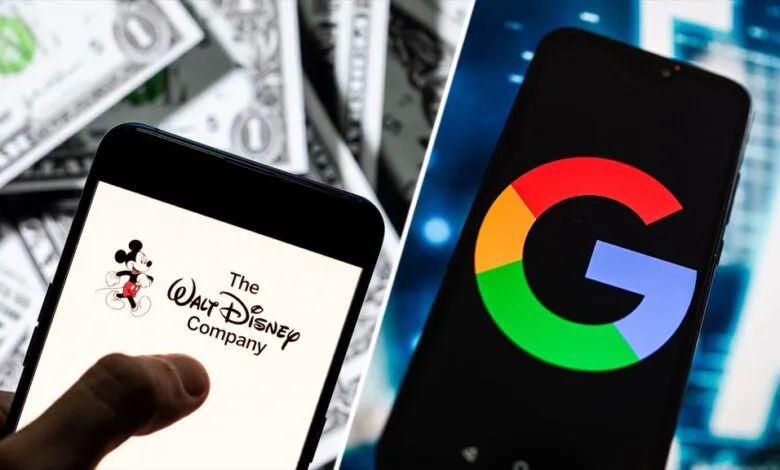
The Walt Disney Company has taken a significant legal step by issuing a formal cease-and-desist letter to Google, alleging the tech giant’s artificial intelligence services are engaging in widespread copyright infringement of Disney’s iconic intellectual property. This move underscores the escalating tensions between major content creators and AI developers over the use of copyrighted material to train and power generative models. The dispute centers on whether Google’s AI models, including Veo, Imagen, and Gemini, have copied and distributed Disney characters and stories without permission, a claim Google disputes.
Disney’s legal counsel contends that Google’s “willful infringement” is leveraging its market dominance to make these AI services as widely accessible as possible, thereby flooding the market with unauthorized works. The letter accuses Google of intentionally amplifying the scope of its infringement across numerous channels, reaping substantial profits from what Disney calls an unlawful exploitation of its creative library. This includes the generation of images and videos featuring characters from Star Wars, Marvel, Pixar, classic animation, and The Simpsons through simple text prompts.
A particularly pointed allegation is that Google operates as a “virtual vending machine” for Disney’s copyrighted characters, capable of reproducing them on a mass scale. Disney further argues that many AI-generated images are branded with Google’s Gemini logo, which could falsely imply an authorized partnership. The company included specific examples, such as AI-generated depictions of Simba and Nala from The Lion King and Darth Vader, to illustrate its claims.
In response, a Google spokesperson highlighted the company’s “longstanding and mutually beneficial relationship” with Disney, stating an intent to continue engagement. Google asserts it uses public data from the open web to build its AI and has implemented copyright controls like Google-extended and YouTube’s Content ID, which allow rights holders to manage their content.
Disney’s letter criticizes Google for allegedly refusing to adopt available technological measures to prevent infringement, despite months of attempted discussions. It demands that Google immediately cease copying and distributing Disney IP in its AI services, implement technical safeguards, and disclose which copyrighted works were used to train its models. This legal action is part of a broader pattern, as Disney has previously sent similar letters to Meta and Character.AI and is involved in litigation with other studios against AI firms like Midjourney.
The timing of this legal challenge is notable, coming just as Disney announced a separate agreement with OpenAI to provide its characters and IP for use in that company’s services. A source close to Disney’s executives framed the OpenAI deal as a demonstration that the AI industry does not have to be “lawless,” suggesting that respectful partnerships between tech innovators and creative industries are possible. This contrast appears strategic, positioning Disney as willing to collaborate with companies that respect intellectual property rights while taking a firm stand against those it believes do not.
The core legal debate, echoed across the industry, is whether using copyrighted material to train AI models constitutes “fair use.” This doctrine is currently being tested in multiple court cases, and the outcome of disputes like Disney’s against Google could set important precedents for the future of generative AI and copyright law.
(Source: Deadline)