The Mysterious Objects No One Can Name
▼ Summary
– There is significant industry disagreement on terminology for glasses-shaped computers, with terms like “smart glasses,” “AI glasses,” “AR glasses,” and “wired XR glasses” all being used.
– Companies like Meta are pushing the “AI glasses” label to distance products from past failures like Google Glass and to highlight AI as a key selling point over augmented reality.
– The traditional categories of VR (virtual reality) and AR (augmented reality) are becoming blurred, especially as mixed reality (MR) and extended reality (XR) enter the market and form factors change.
– A potential new way to categorize these devices is by use case: “AI glasses” as all-day, stylish wearables for brief interactions versus “episodic” headsets (or glasses-like devices) for longer, dedicated sessions like entertainment or work.
– Despite the confusion, a fundamental shift is occurring in the industry, moving away from strict technical definitions toward categorizations based on how and when the devices are intended to be used.
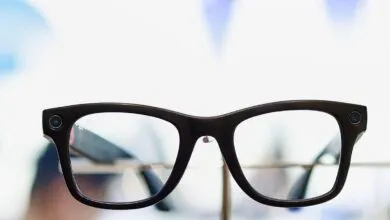
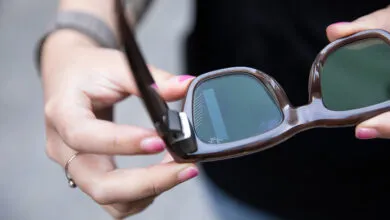
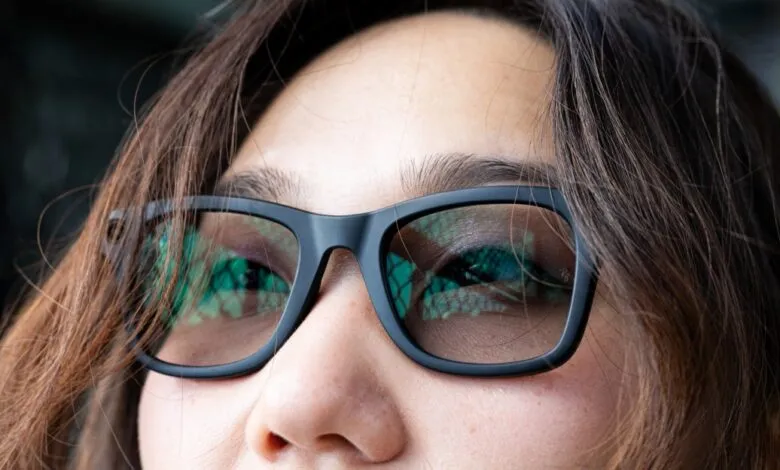
During a recent demonstration of Google’s Project Aura, a straightforward inquiry sparked an unexpected debate: what exactly should we call the latest generation of glasses-shaped face computers? The answer is far from simple, revealing a fundamental shift in how the tech industry categorizes wearable devices. While “smart glasses” once served as a catch-all term, it’s now considered outdated by many. The emerging favorite appears to be “AI glasses,” though even that label lacks universal agreement, creating a significant taxonomical challenge for consumers and journalists alike.
This push for new terminology is strategic. Earlier this year, a Meta communications representative specifically requested that their Ray-Ban Meta glasses be referred to as “AI glasses.” Company leadership has consistently framed the product as the ideal platform for artificial intelligence. This branding effort serves a dual purpose: it deliberately distances the device from the legacy of Google Glass, and it positions AI, rather than augmented reality, as the primary selling point. For journalists, adopting such marketing language is problematic, as the core responsibility is to inform, not to advance a corporate narrative. The Cambridge Dictionary defines “smart glasses” simply as eyewear containing computer technology to function like a smartphone or provide contextual information, a description that still fits many modern devices perfectly.
The confusion deepens when examining how different companies label their own products. At the Google demo, it became clear the company uses “AI glasses” selectively. A Google product management director described them as stylish, lightweight glasses where AI is central to the experience, whether or not they include a display. He explicitly stated that Project Aura does not fit this definition. Google’s official press release calls them “wired XR glasses,” a nod to the connected battery pack. This product is a collaboration with Xreal, whose CEO, when asked for his categorization, simply laughed and stated they call all their offerings “AR glasses.”
This lack of consensus extends to market analysts. Experts from leading firms like Gartner, Counterpoint Research, and IDC each provided different definitions for “smart glasses.” One described them as display-free glasses with Bluetooth and AI, akin to advanced headphones. Another identified non-see-through models as the market’s volume leaders. A third used a broad, shape-based definition. This contrasts sharply with the pop-culture idea of smart glasses requiring displays and AR overlays, like those seen in superhero films. The traditional taxonomy of virtual reality (VR) and augmented reality (AR) is breaking down, further muddied by terms like mixed reality (MR) and the umbrella term extended reality (XR). Form factor is no longer a reliable guide, as headsets now commonly offer MR experiences, and glasses like Project Aura occupy a blurred middle ground.
A more practical way to understand these gadgets may be to categorize them by intended use, not just their technology. A recurring theme is that AI glasses are designed for all-day wear, functioning as a persistent, stylish accessory even with a dead battery. Interactions are typically brief, and while some companies dream of phone replacement, many are currently positioning them as a smartwatch alternative for managing notifications. In contrast, headsets are episodic devices meant for specific, longer sessions, like entertainment or productivity tasks, before being removed. Project Aura demonstrates that even these episodic experiences can be condensed into a glasses form factor.
The term “AI glasses” still feels like a marketing-driven solution to a complex problem. While “smart glasses” may be insufficiently descriptive, the ideal nomenclature likely lies ahead. Future terms may need to specify whether a device has a display, camera, AI integration, or Bluetooth. Until that clarity emerges, the industry and its observers are left grappling with a simple, unanswered question: what do we call this confusing new class of face-worn computers?
(Source: The Verge)