Startup Discovers Untapped Geothermal Energy Source
▼ Summary
– Zanskar, a geothermal startup, announced it used AI to identify a new commercially viable geothermal site in Nevada, the first such discovery in decades.
– The company’s founders highlight that this find, enabled by new tools, signals a major positive shift for an industry historically seen as a “graveyard of failures.”
– Geothermal power generates renewable energy by using steam from underground hot water reservoirs to power turbines, requiring no fuel conversion or excessive mining.
– A major challenge is that most viable geothermal systems are “hidden” deep underground with no surface evidence, making them extremely difficult to locate.
– Historically, many geothermal plants were built over resources found accidentally, and past systematic efforts, like a 1970s government drilling grid in Nevada, have been rare.
A Nevada-based startup has announced a significant breakthrough in the quest for clean energy, identifying a new commercially viable geothermal resource using advanced artificial intelligence. This discovery, described as the first of its kind in decades, signals a potential turning point for an industry long hampered by the immense difficulty of locating hidden underground heat sources. The find underscores the growing promise of geothermal power as a reliable, baseload renewable energy source that operates independently of weather conditions.
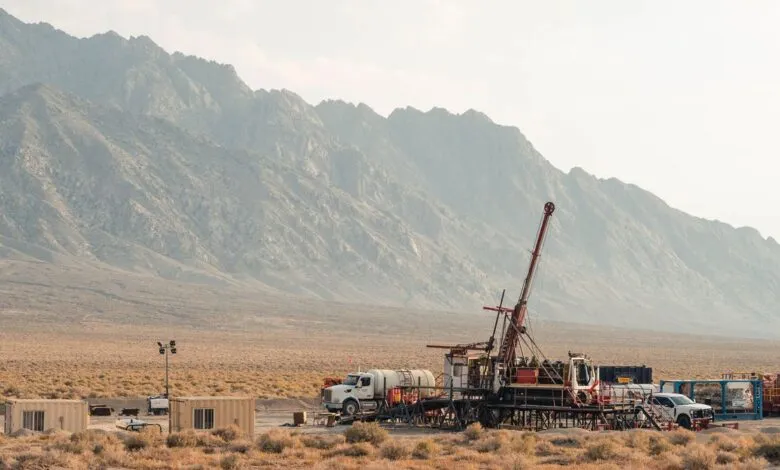
The company, Zanskar, uses proprietary AI models to analyze geological data and pinpoint locations where hot water reservoirs exist deep beneath the Earth’s surface, far from any obvious surface features like hot springs. This technological approach aims to solve a fundamental challenge that has stalled geothermal expansion: finding the resource. For years, the industry has relied largely on accidental discoveries made during other types of drilling.
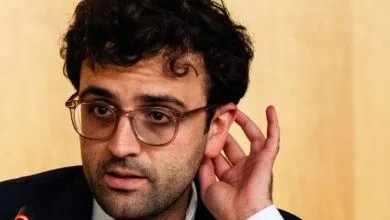
Carl Hoiland, a cofounder of Zanskar, reflected on the initial skepticism surrounding the sector. “When we started this company, I think the most common message we heard was that geothermal was dead, it was a history of bones, a graveyard of so many failures,” he said. “To get to this point where, thanks to these new tools and these new capabilities, you can systematically find these sites and systematically derisk them, we just think this is the first full-scale signal that the tide has turned.”
Geothermal energy harnesses heat from the Earth’s core. Naturally heated underground water produces steam that can drive turbines to generate electricity, offering a consistent power supply without the fuel requirements of fossil fuels or the intermittency of solar and wind. Regions with thin crust and tectonic activity, like the western United States, are particularly well-suited for this technology. The world’s largest geothermal field operates in California, a site with natural hot springs that has been utilized for generations.
The core problem, however, has always been discovery. Most geothermal systems hot enough for power generation are “blind,” meaning they leave no trace at the surface. This makes locating them exceptionally difficult and expensive, akin to searching for a needle in a haystack. Consequently, many existing plants sit atop resources found by chance during unrelated drilling projects.
Joel Edwards, Zanskar’s other cofounder, emphasized the scale of the challenge. “A very small percentage of the land that you will look at will have a geothermal system associated with it,” he noted. This discovery in Nevada validates a new, data-driven method for exploration. The state itself was the focus of a major federal drilling campaign in the 1970s, during the oil crisis, when the government attempted to map and methodically search for these hidden systems. Today’s success suggests that modern computational power might finally provide the map the industry has needed.
(Source: Wired)