Google CEO: Vibe Coding Makes Software Development ‘Exciting Again’
▼ Summary
– Sundar Pichai believes vibe coding is increasing access for non-tech workers and making software development more exciting and approachable.
– Vibe coding allows non-technical professionals to experiment with building apps and websites without prior coding knowledge using AI tools like ChatGPT and Gemini.
– Workers can now visualize and prototype ideas directly through vibe coding, even if they lack coding proficiency, enhancing communication and creativity.
– There are potential risks with vibe coding, as it is best suited for low-stakes experimentation and not for secure, large-scale codebases requiring strict security.
– Pichai expects vibe coding technology to improve significantly and become a major part of the future tech landscape, despite current limitations.
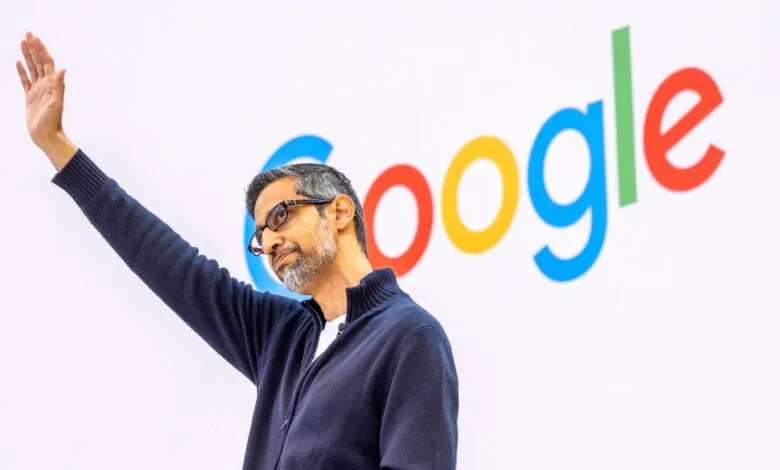
Google CEO Sundar Pichai has expressed strong enthusiasm for “vibe coding,” a trend he believes is reinvigorating software development and opening doors for professionals outside the technology sector. This approach allows individuals with no formal programming background to create applications and websites using conversational AI tools. Pichai likens the movement’s potential impact to how the internet enabled blogging careers and YouTube transformed content creation.
During a recent Google for Developers podcast, Pichai discussed the subject with Logan Kilpatrick, head of Google’s AI Studio. He remarked that the process makes coding far more enjoyable and approachable. People can freely experiment and bring their ideas to life without needing deep technical expertise. He emphasized that this accessibility is making software development exciting again, adding that the technology is continuously improving.
Professionals from diverse fields, including human resources and accounting, are increasingly adopting AI platforms like ChatGPT, Gemini, Claude, and Replit to build their own applications through vibe coding. Pichai noted that this method empowers workers to visualize concepts directly, something previously limited to those with coding skills. Instead of just describing an idea, individuals can now create a basic version to share with others.
The trend is also creating new opportunities inside major tech firms. For instance, product managers at Meta have used vibe coding to develop prototype applications for review by Mark Zuckerberg. At Google, Pichai observed a sharp rise in employees submitting their first changelists, code modifications that fix bugs or add features, indicating broader internal participation in development.
However, Pichai also highlighted some potential risks as the practice accelerates. He cautioned that for large, complex codebases where security and precision are critical, professional developers must remain involved. Currently, many in the field view vibe coding as ideal for low-stakes experimentation rather than for mission-critical software that could be vulnerable to security breaches.
Looking forward, the Google CEO is optimistic about the technology’s evolution. He stated that what we see today is just the beginning and that the capabilities will only become more impressive over time. Pichai concluded by sharing his excitement to see how people around the world will continue to innovate using these powerful new tools.
(Source: Business Insider)