RAM Prices Skyrocket, Sold Like Luxury Goods
▼ Summary
– The PC memory shortage has become so severe that stores are now selling RAM at fluctuating daily market prices instead of fixed prices.
– RAM prices have dramatically increased, with some memory kits more than tripling in cost over just three months.
– High memory prices may impact product launches, with Valve citing the RAM crunch as a factor for Steam Machine pricing uncertainty.
– Graphics card prices could rise again as manufacturers compensate for memory costs, with recommendations to buy GPUs with sufficient VRAM now.
– The RAM shortage is partly driven by AI demand diverting factory capacity, potentially taking years for high-end gaming to recover.
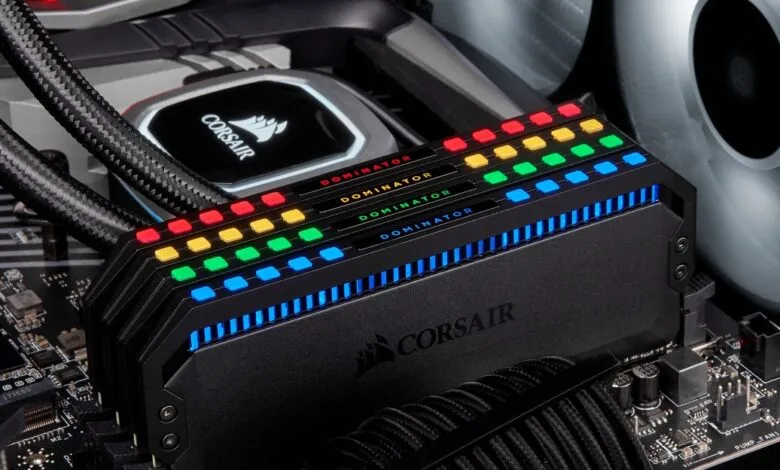
The cost of computer memory is experiencing a dramatic and unprecedented surge, transforming what was once a standard component into a premium commodity. Retailers are now treating RAM modules like luxury items or market-fresh seafood, with prices changing so rapidly that fixed tags have become impractical. Stores like Central Computers in the San Francisco Bay Area and the national chain Micro Center have resorted to displaying signs instructing customers to consult a sales associate for the current price, a clear indication of the market’s extreme volatility.
This rapid inflation is drastically altering the affordability of building or upgrading a computer. For example, a 32GB memory kit purchased for a gaming PC just three months ago has seen its price more than triple, jumping from $130 to $440. Even more common versions have skyrocketed from $105 to $400. While some 32GB kits can still be found for around $230, higher-capacity 64GB DDR5 kits are now commanding prices between $700 and $900.
The repercussions of this memory shortage extend far beyond DIY PC builders. High-profile product launches are feeling the pressure. Valve has explicitly cited the RAM crunch as a factor preventing them from locking in a final price for its Steam Machine console. Just as graphics card prices began to stabilize from their own period of inflation, the memory crisis threatens to push them right back up. Every modern graphics card requires a significant amount of video RAM (VRAM), and with manufacturers like Nvidia and AMD reportedly preparing to raise prices to offset their own costs, the situation is compounding. Industry experts are now advising consumers to purchase GPUs with 10GB or more of VRAM at or below the manufacturer’s suggested retail price while they still can.
The console market is not immune either. Reports suggest that Microsoft may be forced to implement another price increase for its Xbox consoles to compensate for rising component costs. In contrast, Sony is said to have stockpiled enough RAM to maintain PlayStation 5 production for several months without an immediate price hike.
The root of the problem appears to be a massive shift in manufacturing focus. Epic Games CEO Tim Sweeney has pointed to artificial intelligence as a primary driver, stating that semiconductor factories are diverting their most advanced DRAM production capacity to meet the insatiable demands of AI data centers. These tech giants are willing to pay far more for memory than consumer electronics manufacturers, creating a supply squeeze that could take years to resolve for the high-end gaming sector. The era of cheap, abundant memory seems to be, for now, a thing of the past.
(Source: The Verge)