Indie Game Developers Are Now Marketing Their Games as ‘AI Free’
▼ Summary
– Many developers are publicly rejecting generative AI, marketing their games as human-made to appeal to players.
– Developers oppose generative AI due to ethical concerns about using others’ work without permission and view it as unfair.
– Indie developers created a “no gen AI” seal and statements to push back against industry leaders promoting AI as gaming’s future.
– Generative AI is seen by some as a tool to reduce costs and speed up game development, especially in the indie sector with tight budgets.
– Developers argue that creative constraints lead to rewarding problem-solving and that avoiding AI preserves the fun and integrity of their work.
A growing number of independent game creators are choosing to market their projects as “AI-free,” framing this decision as both an ethical stance and a unique selling point. This movement has gained momentum as developers respond to industry leaders who champion generative artificial intelligence as the inevitable future of game production. For these creators, emphasizing the human craftsmanship behind their games has become a powerful way to connect with players who value artistic integrity.
Many developers report that avoiding generative AI is not just a personal conviction but a strategic marketing choice. They want to assure their audience that every element of the game originates from human creativity. Rafaella Kanaris-Sotiriou, for example, finds the decision straightforward, pointing to the problematic foundations of generative AI. He believes the practice of training these systems on artists’ work without consent is fundamentally unjust.
This perspective stands in stark contrast to the optimistic forecasts from several major gaming company CEOs. In response, Kanaris-Sotiriou and fellow developers recently collaborated to create a symbolic seal, a golden cog, that certifies a game was made without generative AI. This visual badge serves as a clear promise to consumers.
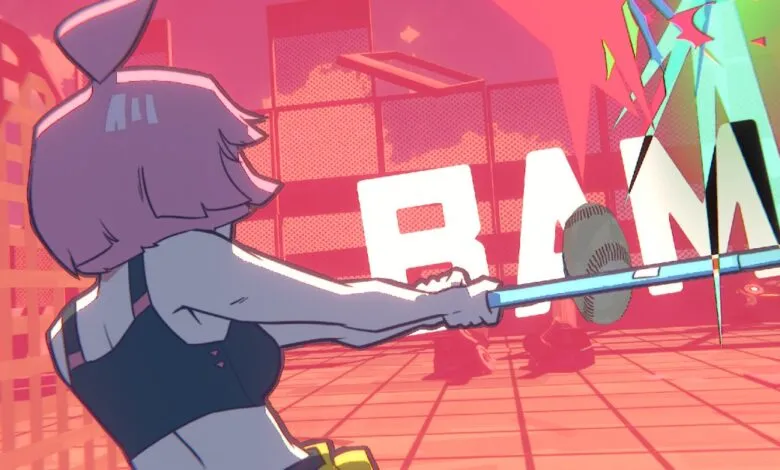
Other studios are crafting their own distinctive statements. D-Cell Games posted a graphic for its upcoming title, Unbeatable, declaring that every single component was crafted by people. The post emphasized that “every frame [was] drawn, every word written, every model sculpted, every line of code typed, every song sung with a real voice, every guitar played with a real hand.” The statement radiates passion, almost issuing a challenge to those who rely on AI tools.
Jeffrey Chiao, a studio producer at D-Cell Games, elaborated on this position. Beyond the ethical and legal dilemmas, he views generative AI as an inefficient use of effort. His team is confident in their ability to achieve high-quality results through their own skills, without needing algorithmic assistance.
Proponents of generative AI argue it unlocks creative potential and streamlines the notoriously slow and expensive game development process. Major corporations are already integrating the technology; Electronic Arts has partnered with Stability AI, and Microsoft is employing AI to generate in-game content. With development budgets soaring and release cycles stretching longer, a tool that promises faster, cheaper production is particularly appealing for indie studios. These smaller teams often operate with scarce funding and require each member to juggle multiple roles.
Despite the potential benefits, the most vocal resistance is emerging from the indie sector itself. Developers argue that the very constraints they face fuel their most inventive solutions. Kanaris-Sotiriou notes that limitations push indie teams to think outside the box and develop truly creative workarounds.
Tom Eastman of Trinket Studios shares this outlook. He believes the challenges that AI aims to eliminate are often what make game development so fulfilling. He recalled a moment during the final stages of Battle Chef Brigade when several key locations lacked finished artwork. Instead of producing the hand-drawn line art consistent with the game’s style, the team opted for a quicker watercolor technique. Eastman describes navigating such creative puzzles as a rewarding process, far more engaging than simply asking a “magic box” to provide an answer.
The developers acknowledge that as generative AI technology advances, the pressure to adopt it will likely intensify. While it’s difficult to quantify the impact, they have observed that their explicit anti-AI declarations resonate strongly with their player communities. Chiao reflects that AI will probably become ubiquitous, but he doubts this will change what people truly seek in their games. He concludes that his team will continue their human-centric approach, finding greater satisfaction and enjoyment in doing things their own way.
(Source: The Verge)