The Great Meme Reset Is Here
▼ Summary
– The Great Meme Reset of 2026 is a movement calling for memes to return to their 2010s style on January 1, 2026, replacing current “brain rot” and AI-like memes.
– This trend originated from a March TikTok post by @joebro909 advocating for new memes to address a content “drought,” though it didn’t specify the reset details initially.
– Creators and users criticize today’s memes as oversaturated, unfunny, and lacking substance compared to older memes that often had stories or made sense.
– TikTok creator Noah Glenn Carter supports the reset, arguing that current memes are random and incoherent, while past memes had more humanity and depth.
– The movement reflects a broader desire for a return to organic internet culture and memes with more cultural significance, contrasting with the perceived low-effort content of today.
A significant cultural shift is brewing within online communities, with a movement known as The Great Meme Reset of 2026 gaining traction. This initiative, popularized on platforms like TikTok, advocates for a collective return to the meme culture of the 2010s starting on January 1, 2026. Proponents are pushing to abandon what they label as “brain rot” and AI-generated content in favor of reviving classics like Big Chungus, arguing that modern memes have lost their charm and coherence.
Pinpointing the exact origin of this movement proves challenging, as is often the case with internet trends. Most accounts trace it back to a March post by TikTok user @joebro909, who initially called for a fresh wave of memes to combat a perceived creative “drought” on the platform. While that original post didn’t specify a January 1 start date or explicitly demand a return to older memes, it planted the essential seed. Now, hundreds of videos and posts are discussing the concept, championing a revival of the internet’s so-called “dank” era.
This push for a reset inherently suggests that current memes lack the quality and relatability they once had. Internet culture, heavily influenced by Gen Z and Gen Alpha, has recently celebrated abstract and absurdist content such as the “6 7” meme and various “Italian brain rots.” These often feel randomly generated and devoid of human touch. After nearly a year dominated by such content, a noticeable backlash is forming among users who crave more meaningful engagement.
TikTok creator Noah Glenn Carter (@noahglenncarter) explained the sentiment in a recent video, stating, “Because of just how unrecognizable memes have become, everyone has come to an agreement that on January 1, 2026, we are going to completely reset all memes and go back to the originals.” When contacted via email, Carter expressed strong belief that the reset idea could gain widespread adoption and plans to create more content to promote it. He remarked, “The memes we have now are called ‘brain rot’ for a reason. The ones from ten or more years ago, most of the time, had a story behind them. Or they at least made sense. Now it just seems like the more random and incoherent something is, the more likely it is to become a meme.”
Even for those who appreciate the hidden significance in modern absurdist memes, there is a growing consensus that today’s meme landscape feels oversaturated and lacking in humor. Don Caldwell, editor-in-chief of Know Your Meme, observes that among the reset supporters, there is a clear feeling that current trends are “oversaturated and unfunny.” Caldwell adds, “In this context, brain rot memes are low-effort and nonsensical, and there’s a desire to return to the memes of the past that had a bit more substance.”
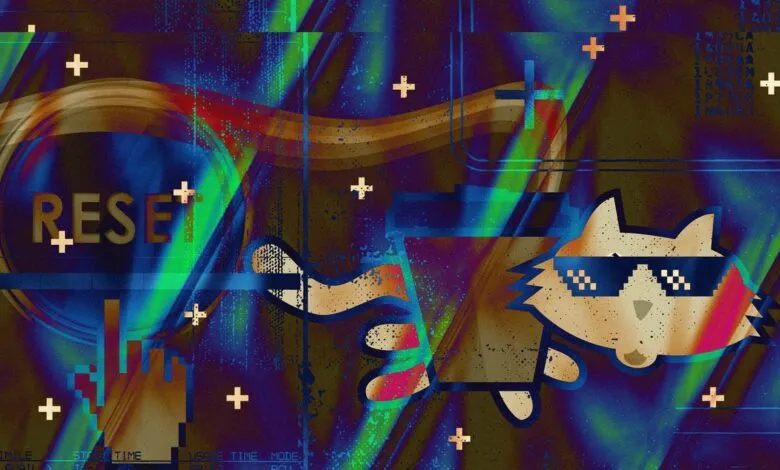
Of course, the idea of “substance” in memes is highly subjective. While a classic like Nyan Cat may not carry the artistic weight of an Andy Warhol piece, both served as cultural commentaries that sparked widespread conversation, a feat that the current flood of AI-generated content struggles to achieve. At its core, the call for a massive meme reset is a plea for a return to more organic and human-driven internet culture, regardless of how silly or superficial it may appear on the surface.
(Source: Wired)