Master AI Search: Entity Maps, Structured Data & IndexNow

▼ Summary
– Generative Engine Optimization (GEO) is the preferred term for optimizing content to be recommended by AI and LLMs, moving beyond traditional SEO.
– Content must provide unique information gain through original data or research, like surveys, to be cited by AI systems and avoid being derivative.
– Keyword-based strategies are obsolete; instead, base content on raw data sources used by LLMs and real discussions to meet specific audience needs.
– Use the same data sources that feed AI engines and ensure content is human-written, as AI-generated content is derivative and risks degrading LLM quality.
– Maintain SEO basics like fast loading, schema markup, and conversational architecture to make content efficient for AI parsing and discovery.
The digital marketing world is experiencing a seismic shift with the emergence of generative engine optimization (GEO), a discipline focused on making content discoverable by artificial intelligence systems. While traditional SEO isn’t disappearing, the rules of visibility are being rewritten as AI-powered search tools like Google’s AI Overviews and ChatGPT transform how people find information online. Success in this new environment requires understanding what makes content valuable to machine learning models rather than just search algorithms.
Many marketers have witnessed concerning data about declining click-through rates since AI overviews became prominent, but the fundamental challenge isn’t about traffic metrics, it’s about relevance in an AI-dominated landscape. The key to earning recommendations from AI systems lies in creating content that offers genuine novelty and substance.
Consider the predicament of a public relations agency that signs a client with nothing newsworthy to promote. Traditional SEO content often faces similar limitations. Countless websites have produced exhaustive guides attempting to become the definitive resource for their industry, essentially creating Wikipedia-style content that AI systems can easily access. The fundamental problem with this approach is its lack of original insight, when countless sources present identical information, nothing stands out as particularly valuable.
Content must provide information gain to capture AI attention. This means presenting data, perspectives, or research that didn’t previously exist in the digital ecosystem. One effective approach involves commissioning original research, such as surveys that generate unique datasets. When a company surveyed remote workers about their ideal work locations, the resulting data became valuable enough for AI systems to cite. This type of high-effort, unique content represents what AI systems increasingly prioritize.
Transparency strengthens content credibility with AI. Including detailed methodology, data sources, and research limitations makes information more verifiable. Regular data updates signal reliability, positioning your content as a trustworthy source that AI systems can confidently reference.
The era of keyword-centric strategy is ending. Search terms alone don’t reveal audience identity or intent, they merely indicate what triggers advertisements. Creating content aimed at everyone ultimately resonates with no one in the AI age. Instead of relying on keyword volume metrics, marketers should analyze the raw data sources that power large language models. Understanding the discussions happening within these training datasets reveals genuine content demand.
Some suggest that data-driven content automatically earns AI recommendations, but this advantage will diminish as more creators adopt this approach. AI has elevated content standards, making users more specific in their queries and expectations. Even using advanced AI writing tools won’t guarantee quality recognition, since AI-generated content tends to be derivative and lacks the originality that training models seek.
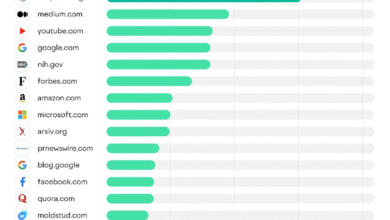
Creating content that AI prefers requires using the same data sources that feed AI engines. While most organizations can’t access proprietary datasets like social media firehoses, they can conduct original research through surveys with robust sample sizes. Earning media coverage and quality backlinks further signals content value to AI systems. By mining the same information sources that train AI, you can structure content as direct answers to user questions in conversational language that matches how people naturally seek solutions.
While GEO differs from traditional SEO, fundamental technical practices remain crucial. AI systems face computational constraints, making efficiently structured content more valuable. Ensure fast page loading speeds, implement schema markup for context, create answer-focused content architecture, and use HTML anchor links for better navigation. Making content accessible through programmatic feeds and proper crawling permissions represents basic hygiene rather than revolutionary strategy, but these elements collectively improve discoverability.
AI systems avoid citing content generated by other AI, since retraining models on synthetic content risks degrading quality. While AI-generated text might not carry technical markers, statistical analysis and stylistic patterns make machine-written content identifiable. Human writing naturally incorporates lived experiences, subtle humor, and unique perspectives that AI cannot authentically replicate without extensive prompting.
The future of content visibility hinges on delivering targeted, substantial value through human-created material that offers genuine information gain. This requires substantive research independent of AI sources, adherence to technical fundamentals, and maintaining authentic human authorship. The central question becomes how to produce high-quality content that meets AI standards without prohibitive costs.
(Source: Search Engine Journal)