Musk Aims to End Tesla Robotaxi Babysitters This Year

▼ Summary
– Tesla CEO Elon Musk predicts the company will remove safety monitors from its robotaxis in parts of Austin by the end of this year.
– Tesla plans to launch a robotaxi service in 8-10 new markets, including Nevada, Florida, and Arizona, before the end of 2025.
– Safety monitors currently ride in Tesla’s robotaxis in Austin and San Francisco as a cautious measure, not due to technology deficiencies.
– Tesla’s robotaxis have driven over a quarter million miles in Austin and over a million miles in San Francisco, according to company data.
– Musk stated that safety monitors will be included in new market launches regardless of regulatory requirements to maintain a cautious approach.
Tesla’s CEO Elon Musk has announced an ambitious timeline to eliminate the need for human safety monitors in the company’s robotaxi operations, targeting a significant step toward fully autonomous ride-hailing services. During a recent investor earnings call, Musk stated his expectation that Tesla will operate driverless robotaxis in large sections of Austin before the year concludes. He emphasized the company’s cautious strategy, noting that while the technology may be ready, they are proceeding carefully to ensure public safety and regulatory compliance.
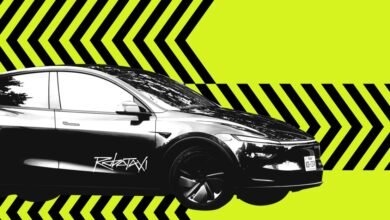
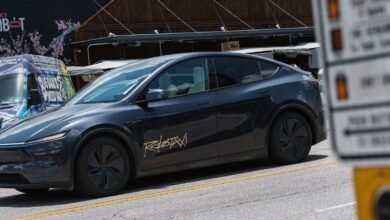
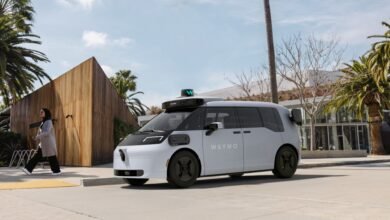
Musk also revealed plans to expand Tesla’s robotaxi service into eight to ten additional markets by the end of 2025, naming Nevada, Florida, and Arizona as potential new locations. This expansion would mark a substantial increase in the geographic footprint of Tesla’s autonomous vehicle efforts. Currently, Tesla operates robotaxis in Austin and San Francisco with safety monitors present inside the vehicles. These individuals have access to a kill switch, serving as a precautionary measure, something competitor Waymo does not require for its commercial service.
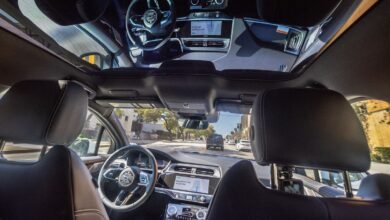
In Austin, the safety monitor occupies the passenger seat, while in San Francisco they sit in the driver’s position. Musk described the inclusion of human monitors as an act of “paranoid” safety diligence rather than an indication of technological shortcomings. He pointed out that even a single accident would attract global media attention, making a careful, phased rollout the most sensible path forward.
Tesla has not disclosed the current number of robotaxis operating in Austin, though the last official figure provided to state authorities was around twenty vehicles. According to Ashok Elluswamy, Tesla’s Vice President of AI Software, the Austin fleet has driven more than 250,000 miles, while vehicles in San Francisco have surpassed one million miles of autonomous operation.
Musk confirmed that new markets will initially launch with safety monitors in place, regardless of regulatory requirements. He described this as “the right, cautious approach” when entering unfamiliar territories. Previously, Musk projected that Tesla would make robotaxis accessible to half of the U.S. population by year’s end and enable customers to upgrade their personal vehicles for unsupervised autonomous driving by the close of 2025.
(Source: The Verge)