ByteDance’s Quiet AI Chatbot Is Winning Global Fans
▼ Summary
– ByteDance’s Doubao is China’s most popular AI chatbot with over 157 million monthly users, while its overseas counterpart Cici uses a similar female avatar but is region-locked outside China and the US.
– ByteDance has been marketing Cici in the UK, Mexico, and Southeast Asia through ads highlighting its free use and math-solving capabilities, leading to increased downloads in these regions.
– Cici has ranked among the top 20 most downloaded free apps in countries like Indonesia, Malaysia, the Philippines, Mexico, and the UK, even reaching number one in Mexico on Google Play.
– Despite being owned by ByteDance, Cici does not disclose this connection in its app and uses OpenAI’s GPT and Google’s Gemini for text generation instead of ByteDance’s proprietary models.
– Cici’s app design mirrors Doubao’s but lacks advanced features like music/video generation and social sharing, representing ByteDance’s effort to expand globally amid competition from Western AI firms.
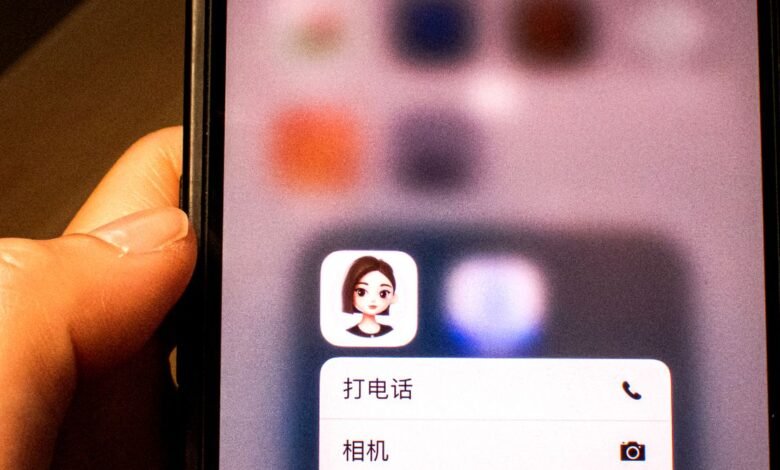
While ByteDance’s Doubao dominates China’s generative AI landscape, its lesser-known international sibling Cici is quietly building a global user base through strategic marketing in select markets. The chatbot application, featuring a female cartoon avatar similar to Doubao’s but with longer hair, has been region-locked to avoid both Chinese and American markets while targeting users across the United Kingdom, Mexico, and Southeast Asia.
Marketing intelligence reveals ByteDance has been aggressively promoting Cici through extensive advertising campaigns. Meta’s advertising database documented over 400 distinct Cici advertisements running in Mexico during October alone, primarily emphasizing the model’s mathematical problem-solving capabilities and completely free access. Simultaneous promotional efforts have been active in the United Kingdom and Philippines, supplemented by sponsored content from TikTok creators using dedicated hashtags like #ciciai.
This coordinated marketing approach has yielded significant download growth across multiple international markets. According to Sensor Tower analytics, Cici has consistently ranked among the top twenty most downloaded free applications on Google Play Store throughout Indonesia, Malaysia, Philippines, Mexico, and the United Kingdom over the past quarter. The application achieved particular prominence in Mexico, where it maintained the position of most downloaded free app on Google Play for an entire week, while simultaneously reaching ninth place among free applications in the UK Apple App Store.
Despite minimal disclosure of its ByteDance affiliation within the application or official website, the Chinese technology conglomerate has acknowledged its ownership of the Cici platform. The application’s privacy documentation indicates technological integration with other ByteDance-owned services including PicPic photo editor and Coze coding assistant. Interestingly, Cici relies on third-party AI models from OpenAI’s GPT and Google’s Gemini for text generation rather than ByteDance’s proprietary language models.
The user interface and functionality closely mirror Doubao’s design, offering text and audio communication with the AI assistant alongside image generation and analysis capabilities. Users can additionally experiment with autonomous agents developed by other community members. However, Cici demonstrates more limited multimodal functionality compared to its Chinese counterpart, lacking music and video generation features while omitting direct platform sharing options for user creations.
ByteDance has faced challenges replicating TikTok’s worldwide success with subsequent applications. Although Cici’s international presence remains modest compared to Doubao’s domestic market dominance, the application demonstrates the company’s strategic expansion into global AI markets and commitment to user acquisition investment. Operating without China’s protective internet regulations that restrict Western competitors, ByteDance now faces direct competition with established AI leaders including OpenAI, Anthropic, and Google in the increasingly crowded chatbot marketplace.
(Source: Wired)