OpenAI Halts Sora AI From Generating Martin Luther King Jr. Videos
▼ Summary
– OpenAI paused the ability to generate videos resembling Martin Luther King Jr. using its Sora AI model after users created disrespectful depictions of his image.
– The restriction was implemented at the request of Dr. King’s estate, with OpenAI stating that public figures and their families should have control over their likeness.
– Sora’s launch has sparked public debate about the dangers of AI-generated videos and the need for guardrails around the technology.
– Users have created crude videos of other historical figures and copyrighted works, raising broader questions about AI representation and copyright.
– OpenAI is taking a hands-on approach with Sora restrictions while learning from public deployment, reflecting internal trepidation about the platform’s implications.
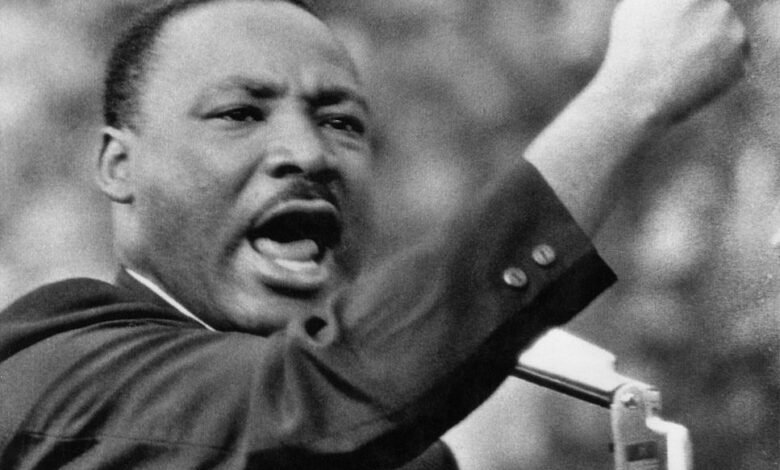
In a significant move to protect the legacy of a revered historical figure, OpenAI has temporarily blocked its Sora video generation tool from creating depictions of Dr. Martin Luther King Jr. This decision came directly at the request of Dr. King’s estate, which expressed concerns over users producing what it described as disrespectful portrayals of the civil rights leader. OpenAI publicly stated that while recognizing the importance of free expression, it believes public figures and their families deserve a say in how their likenesses are utilized by AI technologies.
The official OpenAI newsroom account on X confirmed the collaboration with The Estate of Martin Luther King, Jr., Inc. The company clarified that authorized representatives, including estate owners, now have a formal process to request that specific likenesses be excluded from Sora’s video generation capabilities. This policy adjustment arrives just weeks after Sora’s public debut, a platform enabling users to produce strikingly realistic videos of historical personalities, friends, or anyone who consents to having their image recreated.
Public reaction to Sora’s launch has been intense, sparking widespread debate about the potential risks of AI-generated video content and the necessity for robust platform safeguards. Dr. Bernice King, Dr. King’s daughter, recently used her Instagram platform to appeal to the public, asking them to refrain from sending her AI-generated videos of her father. She is not alone in this concern; Zelda Williams, daughter of the late Robin Williams, has also publicly requested that Sora users stop creating AI videos of her father.
Reports from The Washington Post highlighted the severity of the issue, detailing instances where users generated videos of Dr. King making offensive monkey noises and even wrestling with fellow civil rights icon Malcolm X. A casual scroll through the Sora application reveals a plethora of crude videos featuring other well-known figures, such as artist Bob Ross, singer Whitney Houston, and former President John F. Kennedy. The licensor for Dr. King’s estate has not yet provided a comment to media inquiries.
The controversy extends beyond the digital resurrection of real people. Sora’s launch has ignited a complex discussion about how social media platforms should manage AI-generated content that infringes on copyrighted works. The app is already flooded with user-created videos featuring copyrighted cartoon characters from shows like SpongeBob SquarePants, South Park, and the Pokémon franchise.
Since its release, OpenAI has implemented several other restrictions on Sora. Earlier in October, the company announced plans to grant copyright holders more detailed control over the types of AI videos that can be made using their intellectual property. This initiative appears to be, at least in part, a reaction to the initially negative reception Sora received from the Hollywood community.
Interestingly, while OpenAI tightens controls on Sora, it is adopting a more permissive stance on content moderation for its ChatGPT service. The company revealed this week that it will soon permit adult users to engage in erotic conversations with the chatbot. This contrasting approach highlights the different challenges each product presents.
It seems OpenAI is actively navigating the complex ethical landscape that accompanies powerful AI video generation. Some of the company’s own researchers have openly debated how a product like Sora aligns with the organization’s foundational mission. OpenAI CEO Sam Altman even admitted to feeling a sense of trepidation on the day Sora launched.
Nick Turley, who leads the ChatGPT division, suggested that the most effective method for educating the public about a new technology is simply to release it into the world. He noted that this was the key lesson learned from the launch of ChatGPT, and it is a principle the company is discovering holds true for Sora as well. Through this process, OpenAI continues to learn valuable lessons about the responsible distribution of transformative AI tools.
(Source: TechCrunch)