As AI Expert: 4 Tools I Actually Pay For (And 2 I’m Testing Next)

▼ Summary
– The author uses AI tools to enhance productivity across creative and technical projects but never for producing core content like articles or songs.
– ChatGPT Plus is valued for programming tasks, significantly accelerating coding output and serving as a useful research and problem-solving tool.
– Midjourney is preferred for image generation due to its stylistic flexibility and effectiveness in creating promotional images, saving hours of work.
– Notion AI is used for project management and organizing content, though it is considered less capable than ChatGPT and comes with customer service concerns.
– The author maintains a selective approach to AI subscriptions, avoiding unnecessary tools and considering additions like NotebookLM Pro or Descript only if they offer clear performance benefits.
For professionals seeking to enhance their workflow, artificial intelligence tools have become indispensable productivity partners that streamline complex tasks without replacing human creativity. As someone who regularly evaluates these technologies, I’ve integrated several into my daily routine, not as replacements for original work, but as assistants that help manage time-consuming processes. My approach is selective; I only subscribe to services that deliver measurable value, whether for coding, design, or project management.
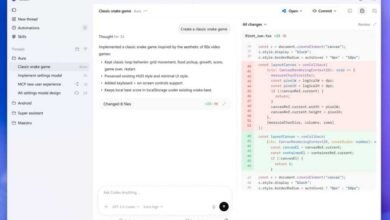
Among the paid tools I rely on, ChatGPT Plus stands out for its versatility and coding support. At $20 monthly, it handles everything from programming tasks to research questions. While OpenAI’s Codex model dramatically accelerated my development work, letting me build in hours what previously took weeks, the standard plan includes usage limits. For intensive projects, I temporarily upgrade to the Pro tier at $200, which proved worthwhile when I developed multiple software products in just days. For routine needs, however, the base subscription offers more than enough utility, especially for generating code snippets or troubleshooting.
Midjourney earns its $10 monthly fee through superior creative flexibility. Although ChatGPT’s built-in image generator produces solid results, Midjourney provides greater stylistic control and consistently delivers visuals that match my vision. Each month, I create promotional graphics for my wife’s e-commerce site, and Midjourney reliably interprets niche hobby themes, reducing hours of Photoshop work to minutes. Having access to multiple image tools allows me to compare outputs and select the strongest option, but Midjourney remains my primary choice for its artistic range.
Notion AI complements my project management workflow, though it comes with caveats. Priced at $24 monthly (or $240 annually), it integrates directly into my Notion workspace, where I organize articles, research, and client projects. While its AI isn’t as polished as ChatGPT’s, often requiring multiple attempts to format content correctly, it excels at structuring unstructured data into databases. The ability to limit its knowledge base to my own notes is promising, yet the tool still feels underdeveloped compared to competitors.
Though not strictly an AI subscription, Adobe Photoshop’s generative fill and Harmonize features have become vital creative aids. I’ve used Photoshop for decades and pay for Creative Cloud regardless, but these AI enhancements save significant time when compositing or editing images. They work seamlessly alongside Midjourney and ChatGPT for generating marketing assets, though the suite’s high cost and licensing restrictions remain drawbacks.
Looking ahead, I’m evaluating two additional tools. Google’s NotebookLM Pro interests me as a research assistant, capable of summarizing and analyzing saved articles. However, source limits on the free version, and vague details about Pro tier capabilities, give me pause. Similarly, Descript offers AI-powered video editing, such as removing filler words and automating multicam cuts, which could streamline my production process. Since I currently use Final Cut Pro, I’m weighing whether Descript’s features justify another subscription.
Ultimately, the key is balancing cost against tangible benefits. It’s easy to oversubscribe, so I recommend starting with tools that address specific pain points. Which AI services have you found valuable? Share your experiences and recommendations, I’m always curious to learn what works for others in this rapidly advancing field.
(Source: ZDNET)