Zoox Partners with Ex-UberPool Exec’s Startup for Routing Tech

▼ Summary
– James Cox left Uber in 2019 and started The Routing Company, which has arranged 3 million trips across 13 U.S. states and five countries.
– The Routing Company has signed its first robotaxi client, Zoox, which will license its tech and hire five of its engineers.
– Cox will become a senior advisor to Zoox’s chief product officer but remain CEO of The Routing Company, with any new tech developed by the engineers staying with Zoox.
– This deal reflects a broader trend of robotaxi companies seeking external partnerships to scale their services, similar to recent moves by Waymo and Nuro.
– Cox believes route optimization is a critical but challenging component for scaling robotaxi networks, comparing it to a complex, real-time problem.
James Cox, who previously led Uber’s ride-sharing product UberPool, saw a major opportunity slip away when the company exited autonomous vehicle development in 2019. He believed the routing technology behind UberPool could be transformative for robotaxis, an idea he’s now bringing to life through his own venture. For the past five years, Cox has been building The Routing Company, a startup focused on helping transit agencies efficiently match riders with vehicles. The firm has already facilitated over 3 million trips across 13 U.S. states and five countries.
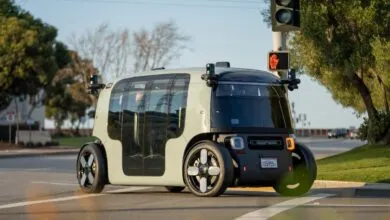
Now, The Routing Company has secured its first autonomous vehicle client: Zoox, the robotaxi subsidiary owned by Amazon. Under the newly announced agreement, Zoox will license the startup’s routing technology and integrate five of its engineers into its team. These specialists will work to enhance the efficiency and scalability of Zoox’s emerging robotaxi operations. Cox will take on an advisory role with Zoox’s chief product officer while continuing to lead his own company. Any intellectual property developed during the collaboration will remain with Zoox. Financial terms were not disclosed.
This partnership reflects a broader trend among AV developers to seek external expertise as they scale real-world services. Competitors like Waymo have recently formed operational alliances with firms including Uber and Avis, while Nuro turned to Toyota-backed Foretellix to manage simulation work and reduce R&D expenses.
Cox expressed optimism about the deal’s potential, noting that it could “scale the positive impacts” of his company’s technology amid rapid expansion in the robotaxi sector. Zoox echoed this sentiment, highlighting the value added by the incoming engineering talent. The company is preparing to launch an early-rider program in San Francisco and introduce paid public rides in Las Vegas later this year.
Reflecting on his work with public transit agencies, Cox described it as both rewarding and demanding. However, he sees even greater potential in the autonomous vehicle space due to the accelerated pace of deployment. He emphasized that advanced routing software is a critical, though often overlooked, element in scaling robotaxi networks, comparing the complexity of real-time route optimization to “playing chess in four dimensions on a melting board.”
According to Cox, success in this arena depends on the ability to manage dynamic, multi-variable challenges in real time. Those who fail to adapt to the inherent chaos of live routing, he suggests, will struggle to compete.
(Source: TechCrunch)