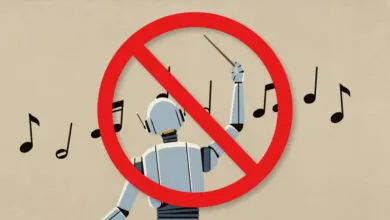
Spotify AI Songs by Dead Artists Fuel Exploitation Outrage

▼ Summary
– Spotify published AI-generated songs under deceased artists’ names without estate or label approval, including tracks by Blake Foley and Guy Clark.
– The platform removed unauthorized AI tracks after a 404 Media report exposed them, but similar incidents have occurred before.
– Spotify CEO Daniel Ek allows AI-generated music unless it mimics real artists, but the platform struggles to identify and remove such content.
– Critics argue AI-generated music, often created using tools like Suno or Udio, infringes copyrights and reduces royalties for human artists.
– Deezer and industry leaders advocate for labeling AI-generated content to ensure transparency and protect artists’ rights.
Spotify faces mounting criticism after AI-generated songs attributed to deceased artists appeared on the platform without permission from estates or record labels. The unauthorized tracks, discovered by investigative outlet 404 Media, included a country-style song falsely credited to Blake Foley, a musician murdered in 1989. Another track impersonated late Grammy winner Guy Clark, raising serious ethical and legal concerns about AI’s role in music streaming.
The questionable uploads were traced to an account called Syntax Error, which has since been linked to multiple fabricated songs. Though Spotify removed the content after media exposure, the incident highlights the platform’s struggle to police AI-generated material. This isn’t the first controversy, last month, an entirely synthetic band named Velvet Sundown amassed nearly 2 million streams for a track suspiciously reminiscent of Kansas’ 1977 classic Dust in the Wind. Despite describing itself as a “synthetic music project,” Spotify provides no clear labeling to distinguish AI-created content from human artistry.
Spotify CEO Daniel Ek has defended the inclusion of AI music, arguing it’s permissible unless it impersonates real artists. Yet critics point out the platform’s inconsistent enforcement, allowing AI-generated tracks to slip through while human creators face stricter scrutiny. The issue extends beyond ethics, AI tools like Suno and Udio train on copyrighted music without compensating rights holders, potentially violating intellectual property laws under the guise of “fair use.”
Sophie Jones of the British Phonographic Industry (BPI) warns that unchecked AI exploitation threatens musicians’ livelihoods. “Tech companies are using unauthorized creative works to train models that directly compete with human artists,” she told The Guardian. The lack of transparency also misleads listeners, who may unknowingly stream AI replicas instead of supporting genuine talent.
Some platforms are taking proactive steps. Deezer, a Spotify competitor, has developed technology to detect and label AI-generated tracks, emphasizing transparency. CEO Alexis Lanternier stressed the need for responsible AI integration, stating, “Safeguarding artists’ rights is critical as copyright laws face pressure from AI advancements.”
As debates over AI’s role in music intensify, calls grow for stricter regulations and clearer labeling to protect both creators and audiences. Without meaningful action, streaming platforms risk alienating artists and fans alike in favor of algorithmically produced content.
(Source: The Next Web)