Nvidia CEO Defends AI Tech Amid Gamer Backlash

▼ Summary
– Nvidia’s new DLSS 5 graphics technology has faced significant online criticism and mockery for making video game characters look unnaturally altered, like a “beauty filter.”
– The technology, part of the upcoming RTX-50 series, uses AI-driven “neural rendering” to enhance lighting but controversially changes character designs, creating an uncanny effect.
– Nvidia defends DLSS 5 by stating it does not alter the core game assets and that developers use it to achieve their original artistic vision, framing the backlash as a misunderstanding.
– CEO Jensen Huang dismissed critics as “completely wrong,” emphasizing that DLSS 5 is a form of content-control generative AI at the geometry level, not simple post-processing.
– The public reaction reflects a broader weariness with AI-generated hyperrealism, with gamers objecting to the altered depiction of familiar characters regardless of Nvidia’s technical explanations.
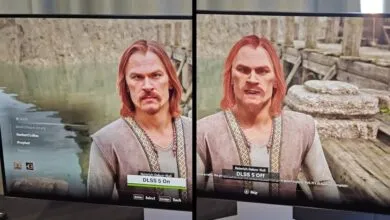
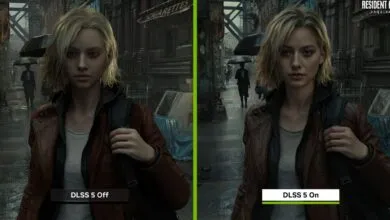
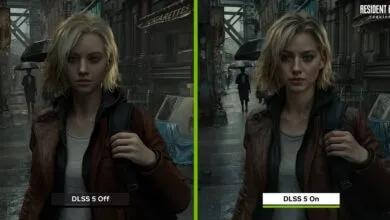
The recent unveiling of Nvidia’s DLSS 5 technology has sparked a significant and vocal backlash from the gaming community, turning what was meant to be a visual showcase into a widespread internet meme. Designed as a flagship feature for the upcoming RTX 50-series graphics cards, the AI-driven “neural rendering” aims to enhance in-game lighting. However, early demonstrations have drawn intense criticism for their effect on character models, with many players comparing the smoothed, altered appearances to an unwanted beauty filter applied to their favorite games.
This new technology utilizes machine learning to dynamically boost lighting and other visual elements in supported titles. While its application on environmental details like water and metal has been praised, the effect on human characters has proven deeply divisive. The output often enters an uncanny valley, making familiar faces look strangely artificial. Nvidia maintains that DLSS 5 does not alter the core game assets, arguing that textures and renders remain identical with the setting on or off. The company positions the tool as a means for developers to more accurately realize their original artistic vision, not as an overlay filter.
In a firm response to the growing controversy, Nvidia CEO Jensen Huang directly addressed the criticism. He stated that detractors were “completely wrong” in their assessment, emphasizing the technical distinction of the process. Huang clarified that DLSS 5 is not a post-processing effect but a form of “content-control generative AI” operating at the geometry level, which the company terms neural rendering. This defense hinges on a precise technical definition, suggesting a belief that the negative reaction stems from public misunderstanding of how the technology functions.
The core issue, however, may be one of perception versus specification. For many gamers, the technical methodology is less important than the final result on screen. When iconic characters undergo noticeable changes in appearance, debates over technical semantics do little to address the visceral reaction. There is a growing sentiment that AI-driven hyperrealism can feel soulless, prioritizing a certain glossy aesthetic over artistic integrity. This backlash reflects a broader weariness with AI’s pervasive role in media, where its version of “realism” is increasingly stigmatized as lacking genuine creativity.
Ultimately, the situation highlights a disconnect between Nvidia’s technological narrative and the community’s aesthetic experience. The company is championing a complex innovation, while players are reacting to what they see—a shift in visual style they find unappealing. This isn’t merely a misunderstanding of facts; it’s a fundamental disagreement about the desired direction for game visuals. The strength of the reaction indicates that for a substantial portion of the audience, the technology, regardless of its engineering merits, has simply missed the mark.
(Source: Polygon)