Take Control of Your Spotify Algorithm with Taste Profile
▼ Summary
– Spotify has launched a new “Taste Profile” editor feature for its Premium subscribers.
– The feature allows users to view and directly adjust the data model that powers their music recommendations.
– It was announced by co-CEO Gustav Söderström at the SXSW event.
– The editor is initially being rolled out in a beta phase, starting in New Zealand.
– This marks a shift from Spotify’s previous, opaque recommendation system that silently tracked user behavior.
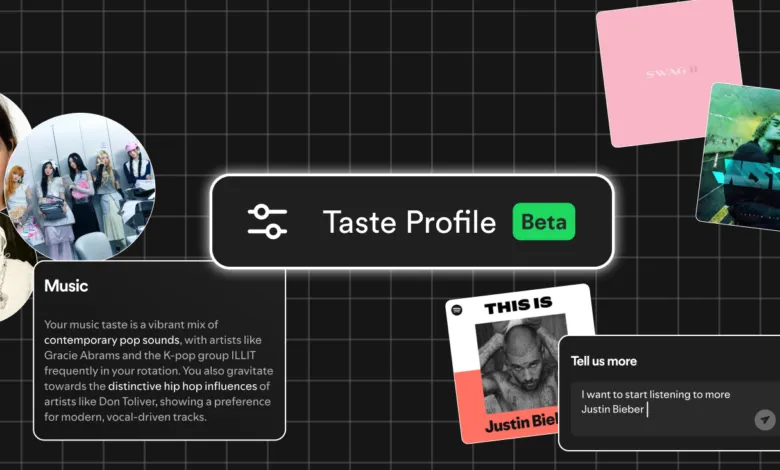
For years, the system that suggests your next favorite song on Spotify has operated behind the scenes, a complex algorithm learning from your every play, skip, and listening session. Now, the company is pulling back the curtain. Spotify is introducing a new “Taste Profile” editor, a tool that gives Premium subscribers an unprecedented level of control over the data model that shapes their personal recommendations. Announced by co-CEO Gustav Söderström at SXSW, this feature is beginning its initial beta test with users in New Zealand.
This move represents a significant shift in how streaming platforms interact with their audiences. Instead of a one-way data collection process, Spotify is inviting listeners into a collaborative dialogue about their musical identity. The Taste Profile editor allows users to visually explore and directly adjust the various musical attributes and genres that the platform’s algorithm associates with them. Think of it as a dashboard for your digital musical soul.
The potential impact here is substantial. By fine-tuning these preferences, users can dramatically refine their discovery queues, personalized playlists like Discover Weekly, and radio stations. If the algorithm has mistakenly pegged you as a fan of a certain genre because you listened to a single album once, you can now correct that assumption. Conversely, you can reinforce your love for niche subgenres or specific artists, ensuring they receive more weight in future recommendations.
This transparency addresses a common user frustration with algorithmic feeds across all digital platforms: the feeling of being trapped in a feedback loop or misunderstood by a black-box system. Giving users agency to edit their taste profile could lead to more satisfying and accurate music discovery, fostering deeper engagement with the service. It turns passive consumption into an active, participatory experience.
For Spotify, this is also a strategic play. Engaging users in the curation of their own data model can lead to richer, higher-quality data. When users explicitly confirm or deny the platform’s inferences, it provides cleaner signals for the algorithm to learn from, potentially improving recommendation accuracy for everyone over time. It’s a clever way to enhance their core product while building user trust through transparency.
The beta launch in New Zealand will be a critical testing ground. Spotify will likely monitor how users interact with the tool, which adjustments are most common, and whether this hands-on approach leads to measurable improvements in listening time and satisfaction. If successful, a global rollout for Premium subscribers is the expected next step, potentially changing how we all interact with the soundtracks of our lives.
(Source: The Next Web)