Protect Your Family: Truecaller Can Now Block Scammers for You
▼ Summary
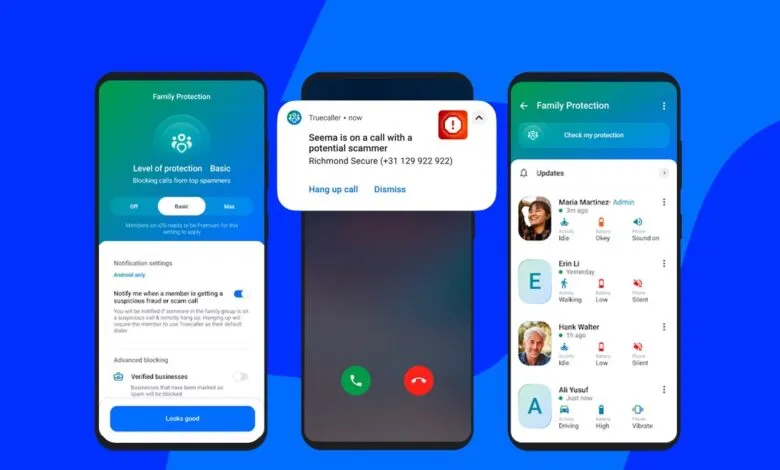
– Truecaller has launched a free, worldwide family safety feature allowing an admin to get alerts about and remotely end potentially fraudulent calls received by up to five group members.
– The admin can only end calls for members on Android, though they receive fraud alerts for both iOS and Android users, and can access additional real-time activity data (like driving status) for Android members.
– The company is exploring AI enhancements for this feature, such as screening calls for scam-related keywords and alerting admins to the nature of fraud calls.
– Truecaller faces business challenges, including an 80% stock decline over 12 months and competition from India’s carrier-based Caller Name Presentation (CNAP) system, though it argues its service provides more comprehensive spam protection.
– In India, a key market, scam calls are a significant problem, with Truecaller identifying over 7.7 billion fraud calls last year, prompting various national initiatives to combat them.
Truecaller has launched a global family safety feature that allows a designated group administrator to receive alerts about potential scam calls targeting other members and even remotely terminate those calls. This free tool, now available worldwide after a limited launch last year, aims to empower tech-savvy individuals to protect their loved ones from increasingly sophisticated phone fraud. The feature supports groups of up to five people, with the admin receiving notifications whenever a member gets a call flagged as suspicious.
The administrator holds significant control within the group. They can see alerts for fraudulent calls received by any member, regardless of whether they use an iOS or Android device. However, the ability to end a call remotely is currently exclusive to members using Android phones. For those Android users, additional permissions can be granted, allowing the admin to view real-time statuses like whether the person is walking or driving, their current battery level, and if their phone is on silent. This contextual information helps admins, often looking out for elderly relatives, know the best and safest times to make contact.
Privacy remains a consideration within the system. The admin cannot access a member’s regular call history or SMS messages, only receiving alerts for calls identified as potential spam. Administrators also have the power to block specific phone numbers and international dialing codes, and they can share these blocklists with everyone in the group to create a unified defense.
This family protection tool represents a strategic shift for Truecaller, moving beyond individual caller ID to a more communal security approach. Company leadership has emphasized the personal impact of fraud, noting that most people know someone who has been affected. The rollout is particularly significant in India, Truecaller’s largest market, where authorities identified billions of scam calls last year. The company is already looking to enhance the feature with artificial intelligence, exploring ways for an AI to screen calls in real-time and alert the admin to the nature of a scam, or even automatically disconnect calls when certain scam-associated phrases are detected.
Despite its user base of over 450 million, Truecaller faces several business challenges. Its stock value has fallen sharply, and its latest earnings report showed a significant decline in operating profitability and ad revenue. A major competitive threat looms from India’s gradual implementation of the Caller Name Presentation (CNAP) system, a carrier-level service that displays a caller’s registered name. Truecaller argues that its service provides far more context than a simple name display, leveraging community reports and advanced features to combat spam effectively. The company maintains that users can run both services in parallel and that its focus remains on delivering a superior, comprehensive product for consumer safety.
(Source: TechCrunch)