Inside the DHS White Supremacist Memelord Case

▼ Summary
– The author is investigating a specific individual within the Department of Homeland Security who is creating official social media memes containing white supremacist references.
– Sources within MAGA-aligned circles know the identity of this meme creator but refuse to go on the record, exhibiting a protective silence despite frequent leaks from private group chats.
– This protection occurs because, within Trump’s Washington, there is no political advantage to exposing the person, as racist behavior does not reliably result in meaningful professional consequences.
– In a separate legal matter, AI company Anthropic is suing the Pentagon after being designated a supply-chain risk, with critics arguing the government’s contradictory actions lack legal grounding.
– The Pentagon’s position is seen as paradoxical, as it simultaneously labels Anthropic a security threat while having considered forcing its products into government use.
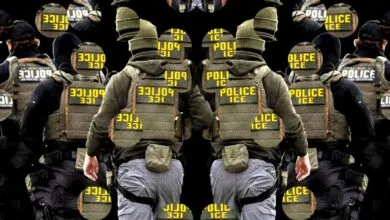
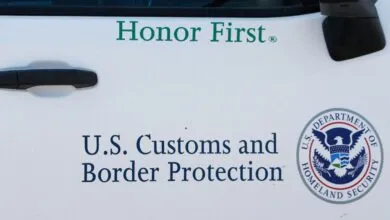
For months, a persistent question has circulated among political reporters in Washington: who is the individual within the Department of Homeland Security responsible for creating official social media content laced with obscure white supremacist imagery and references? This isn’t a minor curiosity. The agency’s communications are meant to shape public understanding of its mission, which under the previous administration involved aggressively targeting minorities. The appearance of memes echoing the propaganda of history’s most infamous regimes is therefore profoundly notable and troubling.
The peculiar part is that within the circles of MAGA-aligned content creators, the identity of this “memelord” appears to be an open secret. In private conversations, sources readily volunteer a name, recognizing the distinctive style from various now-defunct group chats. Yet, the moment a reporter asks for any form of attributable comment, a wall of silence descends. Sources dismiss the inquiry, suggesting it’s all in good fun, revealing a fascinating example of the movement’s internal code of silence.
This selective omerta is curious given the frequent leaks from MAGA group chats that have fueled numerous scandals. Currently, two such leaks are disrupting Florida’s Republican politics, exposing racism among young activists and a gubernatorial candidate. So why is this specific, very public figure protected when private racists are so often exposed?
The motivation behind most leaks provides a clue. Typically, someone aims to damage a rival by revealing their hidden prejudices, often amid internal power struggles. However, in the case of the DHS meme creator, there seems to be no political advantage in outing them. Consider the precedent: figures like Paul Ingrassia, whose racist chat comments were exposed, faced only a temporary setback before landing another government role. In that political environment, horrific behavior was rarely a firing offense, and whistleblowers risked being branded as traitors to the cause. The individual crafting these posts might be disliked, or they might simply be a colleague one step ahead on the career ladder. But without a clear incentive to expose them, and with significant social risk for doing so, the silence persists.
A separate legal drama is unfolding between the Pentagon and the artificial intelligence company Anthropic. The conflict escalated this week as Anthropic filed a lawsuit against the Department of Defense, quickly garnering support from an amicus brief signed by senior AI researchers from OpenAI and Google. Legal observers suggest more briefs are forthcoming, including one from a former Trump administration AI advisor.
Critics argue the Pentagon’s position is logically and legally incoherent. Officials had reportedly threatened to designate Anthropic a “supply-chain risk,” a serious national security label, while simultaneously considering using the Defense Production Act to forcibly integrate its technology. As one legal expert pointed out, a product cannot be both so dangerous it must be removed and so essential it must be compelled. This contradiction has drawn scrutiny from figures not typically aligned with the company, highlighting the administration’s strained rationale.
Despite this, the push to restrict Anthropic continues. Reports indicate preparations for an executive order to formally ban its products from federal systems, extending a mandate from the previous president’s social media platform. The legal footing appears shaky, but for the administration, the point may never have been strict legality.
In a lighter note, the tables were recently turned on this reporter. After profiling a Bitcoin-themed DC bar called Pubkey last December, the owners invited me to join their podcast. The goal was to help explain the often-Byzantine nature of Washington political culture to a cryptocurrency audience. It was a fair exchange, not least because it offered a chance to visit their new studio and join their guest list ahead of a former Treasury Secretary. The conversation is available for viewing or listening on major platforms.
(Source: The Verge)