Anthropic Sues DOD Over Controversial Supply-Chain Label
▼ Summary
– Anthropic CEO Dario Amodei announced the company will legally challenge the Department of Defense’s “supply-chain risk” designation, which he calls “legally unsound.”
– The designation, which can bar work with the Pentagon, followed a dispute over military access to AI, with Anthropic refusing use for mass surveillance or autonomous weapons.
– Amodei clarified the designation narrowly applies only to direct use in DOD contracts, not to all business of customers who have such contracts.
– He apologized for a leaked internal memo criticizing rival OpenAI’s DOD dealings, calling its tone a product of a difficult day and an outdated assessment.
– Despite the dispute, Anthropic’s priority is ensuring U.S. military access to its AI tools during ongoing operations, offering them at nominal cost for a necessary transition period.
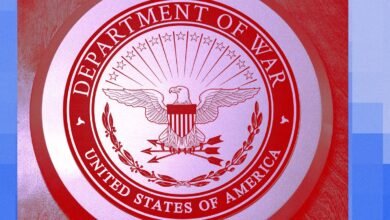
An a significant legal development within the technology sector, Anthropic has announced its intention to sue the Department of Defense over a recent supply-chain risk designation. CEO Dario Amodei stated the company will challenge the decision in court, labeling it as “legally unsound.” This move follows the Pentagon’s official action, which can prohibit a company from engaging in contracts with the Defense Department and its partners. The core of the dispute centers on differing views of control; while Anthropic has drawn ethical boundaries against uses like mass surveillance or fully autonomous weapons, the military sought broader access for what it terms “all lawful purposes.”
Amodei emphasized that the designation’s impact is narrow. He clarified that it applies specifically to the use of Anthropic’s Claude AI as a direct component of contracts with the Department of Defense, not to all activities of contractors who use their services. The vast majority of the company’s customers remain unaffected, according to his statement. He also previewed a key legal argument, noting that the relevant law requires the Secretary of Defense to employ the “least restrictive means” to protect the supply chain, suggesting the current designation may be overly broad.
The path to litigation was reportedly complicated by a leaked internal memo. Amodei apologized for the document’s tone and content, which included criticism of rival OpenAI’s defense dealings as “safety theater.” He attributed the memo to a stressful period marked by multiple announcements, including a presidential social media post and the Pentagon’s new partnership with OpenAI. Amodei stated the leaked views were an “out-of-date assessment” and not reflective of his considered position, adding that it is not in the company’s interest to escalate tensions.
Despite the legal challenge, Amodei affirmed Anthropic’s commitment to supporting national security. The company is currently providing AI models for U.S. operations in Iran and pledged to continue offering its technology to the DOD at a nominal cost for as long as necessary to ensure a smooth transition. However, mounting a successful legal case will be difficult. The law governing such designations grants the Pentagon wide discretion on national security matters and limits standard avenues for challenging procurement decisions. As former White House AI adviser Dean Ball noted, courts are generally hesitant to second-guess the government on national security issues, creating a “very high bar” for any legal challenge, though he conceded it is not an impossible task.
(Source: TechCrunch)