Samsung Sells AI Deepfake Tickets to Disaster
▼ Summary
– The author, a senior editor at The Verge, directly asked Samsung executives about preventing AI from eroding trust in photographic evidence, but they had no new solutions.
– Samsung executives acknowledged the societal problem of distinguishing real from AI-generated media but framed it as an industry-wide issue requiring a broader conversation.
– The company’s proposed solutions are limited to adding removable watermarks and relying on existing metadata standards like C2PA, which the author views as insufficient.
– Samsung executives repeatedly described their approach as a “balancing act” between enabling user creativity and addressing authenticity concerns, prioritizing consumer choice.
– One executive suggested public perception of AI-generated content might become more favorable over time, analogous to the acceptance of user-generated content.
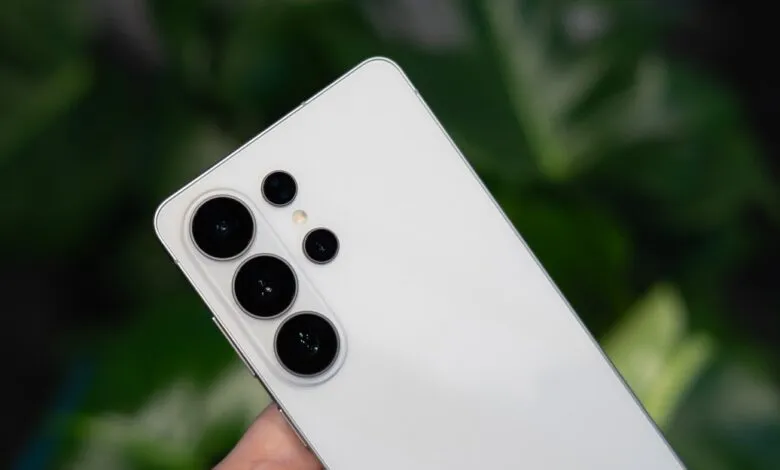
During a recent discussion with senior Samsung smartphone leadership, a critical question was posed about the societal impact of AI-generated imagery. The concern centers on a growing divide: while many users embrace AI’s creative potential for photos and videos, others fear it fundamentally undermines trust in visual evidence. Samsung executives acknowledged the problem but offered no novel solutions, instead framing it as an industry-wide challenge requiring a broader conversation. Their current primary safeguard is a watermark on AI-generated content, a measure that is easily circumvented and does little to address the core issue of eroding reality.
The panel, featuring four top executives, was candid in its admission. Won-Joon Choi, the mobile division’s COO and R&D head, did not avoid the question. He stated clearly that the blurring line between real and fake is a significant problem he wishes to solve. However, the company’s stance presented a familiar tension. The executives emphasized a need to balance “creativity” for users with the preservation of photographic truth. They pointed to existing standards like the C2PA metadata framework, which they defended as a functional, if imperfect, validation tool. The overarching message was that a collective industry effort is necessary, a position critics argue may serve as a substitute for decisive, individual corporate action.
This perspective was echoed by other Samsung representatives. Dave Das, a Samsung America executive, discussed the company’s own learning curve with AI in advertising. He admitted feedback on their initial forays into AI-generated ad content has been “pretty clear,” and they are working to discern appropriate use cases. Yet, his language framed the issue as one of “creator choice” and finding a “right balance” for business, rather than a pressing ethical or social responsibility.
The conversation took an ironic turn when another journalist asked if Samsung would make it easier for users to remove the AI watermark from their creations, such as for a personal Christmas card. Drew Blackard, SVP of mobile product management, responded that consumer demand for authenticity currently justifies the watermark. He suggested, however, that public perception might evolve. He drew a parallel to the initial skepticism around user-generated content, which later became widely accepted, implying that AI-generated imagery may one day be viewed as similarly unremarkable.
This optimistic view overlooks a potential darker trajectory. As AI tools become more pervasive, the risk isn’t just philosophical confusion; it’s tangible harm. The proliferation of “AI slop” could displace creative jobs, while the inability to trust any image or video could facilitate fraud and undermine judicial and journalistic processes. The question remains whether smartphone giants like Samsung will proactively help build levees before the dam breaks, or if they will be held responsible for the flood of disinformation they helped enable. Their current strategy of watermarking and calling for industry talks suggests they are not yet treating the crisis with the urgency it demands.
(Source: The Verge)