Memory Shortage May Affect Switch 2 and PS5 Pro Pricing

▼ Summary
– Sony and Nintendo face RAM shortages as AI data center demand consumes memory chip production.
– Sony may delay its next PlayStation console to 2028 or 2029 due to rising costs and chip supply issues.
– This potential delay breaks Sony’s historical pattern of releasing a new console generation every six to seven years.
– Nintendo might increase the price of its upcoming Switch 2 console this year, despite avoiding a price hike last year.
– The report cites industry sources, and both companies have been contacted for comment.
A potential shortage of memory chips, driven by surging demand from the artificial intelligence sector, could significantly impact the pricing and release schedules of upcoming gaming consoles. Industry analysts report that both Sony and Nintendo are facing pressure from rising costs and constrained supplies of RAM. This situation may force strategic changes for two of the most anticipated hardware releases in the gaming world.
According to recent reports, Sony is actively considering a delay for its next-generation PlayStation console. The company is now looking at a potential launch window of 2028 or even 2029. This represents a notable shift from the company’s historical cadence, which has seen a new console generation debut approximately every six to seven years. Given that the PlayStation 5 launched in late 2020, industry watchers had anticipated a successor arriving before the close of 2027. The primary culprit for this potential postponement is the intense competition for memory chips, as AI data centers consume a growing portion of global production capacity.
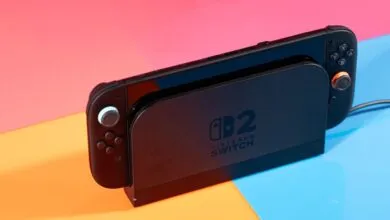
For Nintendo, the same supply chain pressures are translating into potential price increases for its forthcoming console, widely referred to as the Switch 2. The company had previously resisted raising the expected launch price last year, even amid broader economic factors. However, the current memory market dynamics may now compel a different strategy. While specific figures are not yet available, the console’s price, previously speculated to be around $450, could see an upward adjustment as Nintendo navigates higher component costs. This development underscores how broader technological trends, far beyond the gaming industry, can directly influence consumer electronics.
Both companies are navigating a complex landscape where component availability is no longer guaranteed. The explosive growth of AI infrastructure has created a new and powerful competitor for essential semiconductors, squeezing traditional supply lines. This scenario presents a significant challenge for console manufacturers, who must balance ambitious hardware specifications with consumer-friendly price points and reliable production timelines. The final decisions from Sony and Nintendo will likely hinge on how the memory market evolves in the coming months, with gamers around the world awaiting official announcements regarding both price and release dates.
(Source: The Verge)