The Limits of AI in Crafting Video Game Worlds
▼ Summary
– Video game developers have long used procedural generation to create dynamic worlds, a human-driven process that ensures engaging and replayable experiences.
– The video game industry is now facing the rise of generative AI tools, which are presented as a way to streamline development but also pose a potential threat to jobs.
– Google’s Project Genie, a prototype AI world generator, has demonstrated limited and rudimentary capabilities, raising copyright concerns and failing to match the quality of handcrafted games.
– Industry leaders like Elon Musk and Mark Zuckerberg are promoting ambitious visions for AI-generated interactive experiences, though current technology remains far from creating complete, high-quality games.
– While AI game-making tools will improve, the complexity of creating cohesive games with engaging gameplay, art, and story means they may never fully rival the best of human-crafted work.
The push to integrate generative AI into video game development is gaining momentum, yet significant questions remain about its practical capabilities and long-term impact on creativity. While major tech companies and some gaming platforms promote these tools as a way to streamline production, the current reality falls far short of the rich, interactive experiences crafted by human developers. The fundamental challenge lies in replicating the nuanced design, engaging gameplay, and cohesive artistic vision that define great games, elements that procedural generation alone cannot yet achieve.
For decades, game creators have built systems that generate dynamic worlds. Classics like Minecraft and the original Rogue established a legacy of replayability through clever rulesets and parameters. Developers invest immense effort to ensure these algorithmically created spaces feel alive and worth exploring. The result can be a game that feels fresh with every playthrough, a testament to thoughtful human design.
Today, the industry faces a new wave of automation promises. Large studios often frame AI adoption as a necessary step to manage soaring development costs. However, this shift introduces a tangible threat to employment in a field already rocked by frequent layoffs. The tension between innovation and job security is becoming a central theme.
A recent high-profile example is Google’s Project Genie. This research prototype allows users to generate simple sandbox worlds from text or image prompts, though exploration is limited to just sixty seconds. Available only to U.S. subscribers of a premium AI plan, it’s powered by what Google calls the Genie 3 model, touted as a step toward artificial general intelligence. The announcement sparked immediate attention, drawing parallels to how image and video generators first signaled a shift in visual media.
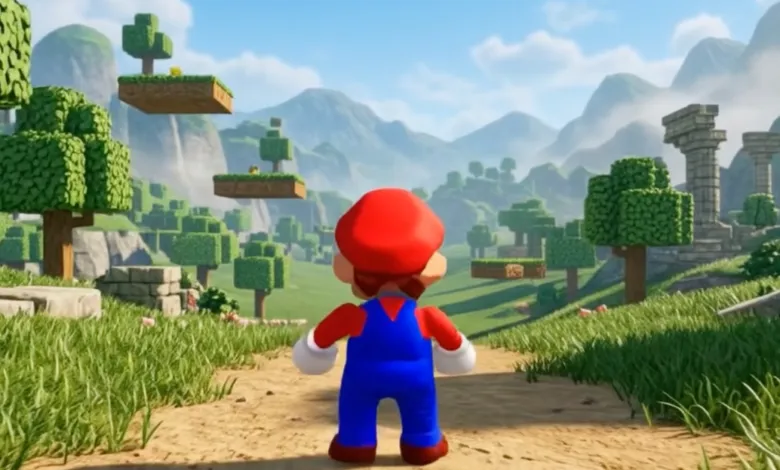
In practice, however, the tool demonstrates the current limitations. The generated environments are rudimentary, offering little beyond basic movement. Users cannot save or modify their creations for use in actual game engines; the only output is a short recording. During testing, the system produced crude, copyright-questionable imitations of popular franchises, but these lacked any of the polish, sound design, or refined physics of a professionally made title. They were silent, clumsy, and fundamentally unengaging.
The market reacted swiftly to Genie’s debut. Stock prices for several major game companies dipped temporarily, prompting executives to clarify their stance. Take-Two Interactive’s president, Karl Slatoff, was quick to downplay the threat. He emphasized that such technology is not a game engine and does not replace the creative process, describing it instead as “procedurally generated interactive video.” This reassurance helped stabilize investor confidence, highlighting a gap between AI hype and practical application.
Looking ahead, Google will undoubtedly refine its world-generation models. The broader question is whether the goal is to create better games or to advance underlying AI research for broader applications. Other industry figures are staking their own claims. Elon Musk of xAI has predicted personalized, AI-generated games arriving soon, while Meta’s Mark Zuckerberg envisions a social media landscape where users instantly create and share games from a prompt. Platforms like Roblox are exploring “real-time dreaming,” where AI could allow creators to dynamically alter game worlds.
Even in the most optimistic scenario, where AI could someday produce stable and visually coherent worlds, crafting a compelling video game involves far more. It requires intricate gameplay systems, original art and sound, compelling narratives, and characters that resonate with players. Human teams spend years balancing these elements to create a cohesive whole. While AI-generated video has shown rapid, if imperfect, progress, building a game is an exponentially more complex challenge with countless interdependent variables.
Current AI technology is simply not equipped to generate complete games, and believing otherwise is misguided. Yet, as seen with the proliferation of low-quality AI video ads, commercial pressure may drive continued investment into these tools regardless of their artistic merit. For a volatile industry, the mere perception that AI could rival human creativity may have profound consequences, potentially influencing investment and employment trends for years to come.
The trajectory of improvement for game-making AI is uncertain. These tools will likely get better at producing basic assets or assisting with certain tasks, but the essence of what makes a game memorable, the soul of the experience, remains firmly in the domain of human imagination and craftsmanship. The gap between automated generation and genuine artistry may never fully close.
(Source: The Verge)