1 Billion Windows 11 Users Are Furious

▼ Summary
– Windows 11 has reached over 1 billion users, but consumer complaints about buggy updates and unwanted AI features are loud and persistent.
– Microsoft acknowledges the need to improve system performance and reliability based on clear customer feedback about these pain points.
– The aggressive integration of AI features under the Copilot brand is seen as exhausting, with users finding them difficult to disable.
– The operating system is increasingly filled with intrusive upsells and promotions for other Microsoft services, treating the user experience like a billboard.
– A core issue is that the Home edition is not optimized for consumers, who lack proper support and face complex problems like forced OneDrive migrations.
The sheer scale of the Windows ecosystem is staggering, with over a billion monthly active users now on Windows 11. This milestone, however, masks a growing tide of user frustration. While Microsoft successfully migrated users from Windows 10, consumer satisfaction has plummeted due to persistent bugs, aggressive AI integration, and a perceived disregard for the home user experience. The company’s own leadership acknowledges the need for improvement, but for many, the promised fixes feel long overdue.
Historically, Windows users have never been shy about voicing their complaints. Every release from XP to Windows 10 faced its own wave of criticism. Yet, the discontent surrounding Windows 11 feels more intense and sustained. We are now five years into its lifecycle, a point where the operating system should feel refined and reliable. Instead, many users report it feels increasingly unstable and cluttered with unwanted additions.
Feedback from a wide array of sources points to five core areas where Microsoft is failing its consumer base.
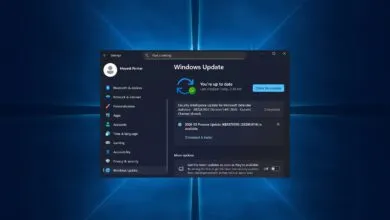
First, the Windows Update process remains notoriously unreliable. The start of 2026 saw a problematic Patch Tuesday release that required multiple emergency fixes. While Microsoft is transparent about issues on its health dashboard, the frequency of problematic updates erodes trust. For every user with a smooth experience, another encounters boot failures or broken features. In a universe of a billion unique hardware configurations, some problems are inevitable, but the consistency of these glitches suggests deeper systemic issues.
Second, the relentless infusion of AI features is overwhelming. Under CEO Satya Nadella’s vision, AI is the central pillar of Windows’ future, not an optional extra. This has led to a flood of Copilot-branded tools embedded in everything from File Explorer and Settings to the humble Notepad app. The push is so aggressive that disabling these features is increasingly difficult, as management tools are deprecated. While core system performance has improved, these half-baked AI additions often feel intrusive and undercooked, overshadowing the platform’s genuine advancements.
Third, the operating system is saturated with upsells and promotions. Windows 11 often feels less like a tool and more like a billboard. Users are bombarded with prompts to subscribe to Xbox Game Pass, Microsoft 365, and OneDrive, while facing persistent nudges to adopt Edge and Copilot as defaults. This “bloatware” approach, driven by the need to monetize the low-margin Home edition, creates a cluttered and annoying experience that prioritizes Microsoft’s revenue streams over user preference.
Fourth, the handling of OneDrive has sparked legitimate fury. The intention behind OneDrive Backup, to safeguard user files, is sound. Its execution, however, has been disastrous for many. Countless reports detail files being moved or deleted without clear consent, and the process to restore or disable the feature is needlessly complex. Forcing cloud integration on users without transparent opt-in mechanisms has damaged trust and caused real data loss headaches.
Finally, and most fundamentally, consumers are left to fend for themselves. The Home edition is essentially the same software sold to enterprises, just with certain management features disabled. When problems arise, home users are expected to navigate the same complex technical resources as IT professionals. They shouldn’t need to edit the registry or run PowerShell scripts to manage updates or reclaim control of their files. Microsoft’s development focus remains squarely on lucrative corporate clients, leaving everyday users as an afterthought.
The path forward requires a dedicated effort to improve the consumer experience. This doesn’t mean creating a stripped-down, simplistic version of Windows. It means thoughtfully designing for people who want a reliable, respectful, and intuitive personal computer. It means ensuring that choices about browsers, search engines, and cloud storage are respected, not repeatedly overridden. It means delivering stable updates and making new features truly optional.
While redirecting resources from profitable AI and enterprise projects to consumer satisfaction may seem like a tough business decision, the alternative is a continued erosion of goodwill. If Microsoft’s promises to address user pain points remain unfulfilled, it risks pushing its massive user base toward competitors, one frustrating update at a time.
(Source: ZDNET)