Deezer Empowers Rivals to Challenge AI-Generated Music
▼ Summary
– Deezer is now offering its AI music detection tool to other streaming platforms to combat fraudulent streams and promote industry transparency.
– The tool identifies AI-generated tracks, excludes them from recommendations and royalty pools, and has a reported 99.8% accuracy rate.
– Deezer reports a significant volume of AI music, with 60,000 AI tracks uploaded daily and 85% of streams from such tracks deemed fraudulent.
– The company’s CEO states there is “great interest” in the tool, with successful tests already conducted by entities like the French rights society Sacem.
– This move contrasts with other industry approaches, as some platforms ban AI music while major labels have struck licensing deals with AI startups.
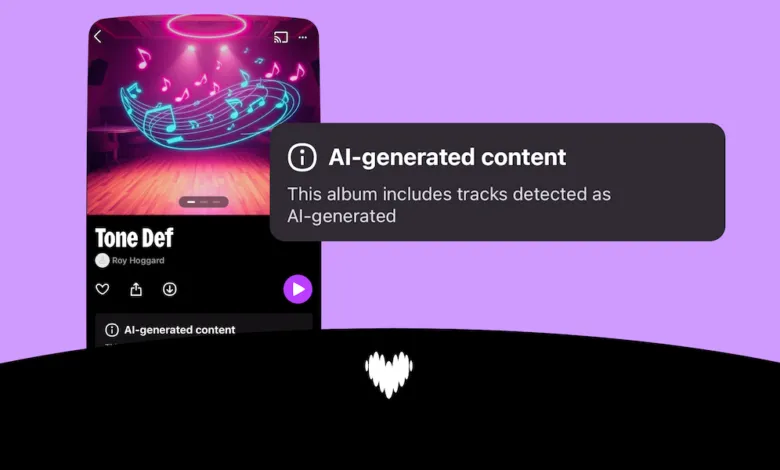
The music streaming landscape is grappling with a surge in artificially generated content, prompting platforms to develop new strategies for protecting human creativity and ensuring fair compensation. Deezer is now offering its proprietary AI music detection technology to rival streaming services, aiming to create a unified industry front against fraudulent streams and promote greater transparency. This move comes as the company reports that a staggering 85% of streams from fully AI-generated tracks are fraudulent, highlighting a significant challenge for the digital music economy.
Originally developed for its own platform, Deezer’s tool automatically identifies and tags music created entirely by artificial intelligence from major generative models like Suno and Udio. The system boasts a reported 99.8% accuracy rate. Beyond simple identification, the technology demonetizes these tracks by excluding them from algorithmic recommendations and removing them from the royalty distribution pool. This ensures that subscription and advertising revenues are directed toward human musicians and songwriters.
The scale of the issue is substantial. Deezer currently processes approximately 60,000 AI-generated tracks per day, amounting to over 13.4 million songs detected to date. This represents a dramatic increase from just a year prior, when such content constituted 18% of daily uploads. The company’s CEO, Alexis Lanternier, notes “great interest” in the tool from other organizations, with several having already completed successful tests. One confirmed partner is Sacem, the French rights management society representing hundreds of thousands of creators.
This industry-wide concern stems from dual threats: the unauthorized use of copyrighted material to train AI models and deliberate schemes to manipulate streaming platforms for financial gain. A prominent 2024 case involved a North Carolina musician charged by the Department of Justice for allegedly using bots to inflate streams of AI-generated songs, purportedly stealing more than $10 million in royalties. Other AI projects, like the virtual band The Velvet Sundown, have also accumulated millions of streams, further blurring the lines.
Streaming services are adopting varied approaches to this new reality. Bandcamp has implemented an outright ban on AI-generated music, while Spotify has updated its policies to require transparency about AI use in production and to prohibit unauthorized voice clones. In contrast, major record labels like Universal Music Group and Warner Music Group have pursued licensing agreements with AI startups, seeking to legally monetize the use of their catalogs for AI training.
Deezer has positioned itself as an advocate for artist rights in the AI era, having been the first streaming service to sign a global statement on responsible AI training in 2024. By commercializing its detection tool, the company hopes to set a precedent, encouraging broader adoption of technologies that safeguard human artistry and combat systemic fraud. The company has not disclosed specific pricing, noting that costs will vary based on the type of partnership agreement.
(Source: TechCrunch)


