Waabi Partners with Uber to Launch Self-Driving Robotaxis
▼ Summary
– Waabi, an autonomous trucking startup, is expanding into robotaxis and has formed a major partnership with Uber for this new venture.
– The company raised $1 billion, including $750 million from investors and additional capital from Uber, to deploy at least 25,000 of its robotaxis on Uber’s platform.
– Founder Raquel Urtasun argues that Waabi’s existing AI technology for trucking can be applied to robotaxis, as both involve navigating to specific pick-up and drop-off points.
– The pivot to robotaxis occurs as the self-driving trucking industry faces significant technological and regulatory hurdles, leading to business failures and delayed deployments.
– While optimistic, Waabi will face challenges including regulatory scrutiny, operational complexities in cities, and the inherent risks of carrying passengers, with key details like fleet ownership still unclear.
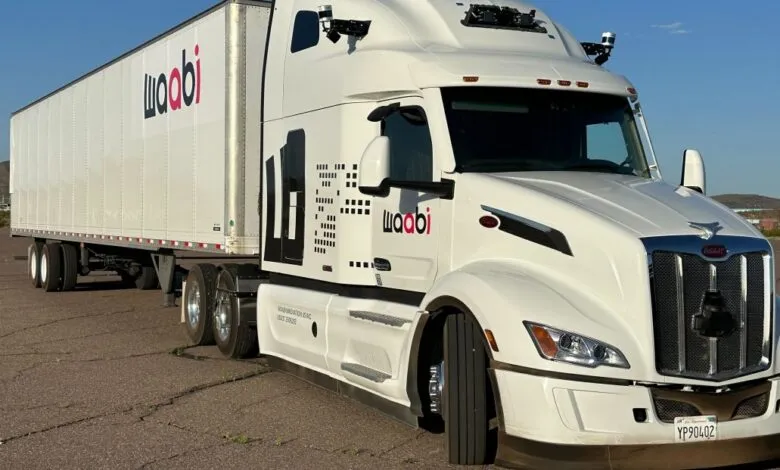
The autonomous vehicle landscape is witnessing a significant strategic shift as Waabi, the Toronto-based self-driving trucking startup, announces a major expansion into robotaxis through a landmark partnership with Uber. This move, backed by a substantial new funding round, signals a pivot for the company founded by former Uber ATG chief scientist Raquel Urtasun. While initially focused on commercial trucking with an AI-centric approach, Waabi is now leveraging its core technology to target the burgeoning autonomous rideshare market, aiming to deploy tens of thousands of vehicles on Uber’s global platform.
The company has secured a formidable $1 billion in new funding to fuel this ambition. This includes a $750 million Series C round led by Khosla Ventures and G2 Venture Partners, with additional capital from Uber specifically earmarked for robotaxi development. As a cornerstone of the agreement, Waabi plans to deploy a minimum of 25,000 robotaxis powered by its technology on Uber’s platform, a figure CEO Raquel Urtasun describes as a starting point rather than a limit. This massive scale aims to bring a new competitive dimension to the robotaxi sector.
This bold announcement comes from a startup that has not yet launched its self-driving trucks commercially. Urtasun did not provide a specific timeline for the robotaxi rollout, target cities, or details on the vehicle platform. However, she argues the underlying “physical AI” technology is transferable. The operational behaviors for navigating to specific pick-up and drop-off points, she notes, are fundamentally similar between freight terminals and passenger curb stops. This technological flexibility is central to Waabi’s strategy.
The pivot towards robotaxis reflects broader industry trends. Initial expectations held that autonomous trucks would achieve widespread adoption first, given the simpler highway environments. However, technological and regulatory hurdles have delayed that vision, leading to business failures and scaled-back plans across the trucking sector. Concurrently, growing optimism around robotaxi services from companies like Waymo has attracted investor interest. Waabi is positioning itself to capitalize on this shifting focus.
Urtasun firmly rejects the notion that autonomous trucking is an intractable problem. She states Waabi’s system is highly capable but that the company made a strategic choice to delay a full public launch until partnering with Volvo on a purpose-built, thoroughly validated platform, unlike competitors who deployed retrofitted systems. The move into robotaxis, however, introduces distinct new challenges, including heightened passenger safety liabilities and complex fleet management logistics.
Key operational details of the Uber partnership remain undisclosed, including who will ultimately own the robotaxi fleet. Urtasun emphasized Waabi sees itself primarily as a technology provider. Fleet ownership and management will likely fall to Uber, which has established similar agreements with numerous autonomous vehicle operators worldwide. Urtasun’s prior experience at Uber provides unique insight into the ride-hail giant’s expectations and operational demands.
Nevertheless, Waabi faces considerable headwinds. The path is fraught with regulatory scrutiny, supply chain complexities, and the inherent unpredictability of a partnership with Uber, a company whose own ambitious self-driving project ended in controversy, legal battles, and tragedy. The new funding provides a substantial runway, but the ultimate test will come when Waabi’s vehicles begin navigating the chaotic and unpredictable realities of city streets with passengers on board.
(Source: The Verge)