Uber Launches AV Labs to Power Robotaxi Data Collection
▼ Summary
– Uber is launching a new division called Uber AV Labs to collect and share real-world driving data with its more than 20 autonomous vehicle partners, aiming to democratize this valuable resource.
– The company is not returning to developing its own robotaxis but will deploy its own sensor-equipped cars to gather data, as the industry increasingly relies on such data for training AI systems.
– A major challenge for AV companies is the physical limit of their own fleets for data collection, making access to a larger, diverse pool of data crucial for solving rare and unexpected driving scenarios.
– The initiative is starting small with a prototype vehicle, and partners will receive processed data with “semantic understanding,” not raw feeds, to help improve their driving software.
– Uber’s approach is similar to Tesla’s data collection method but will be more targeted, leveraging Uber’s geographic reach to collect specific data based on partner needs across many cities.
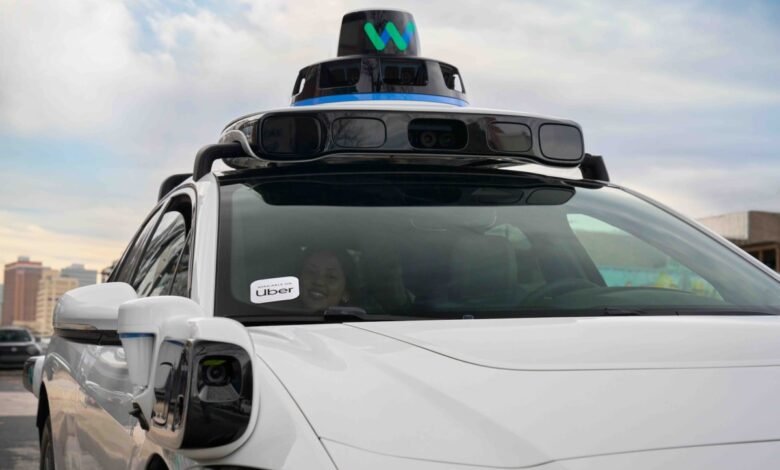
Uber is launching a new initiative to gather and share real-world driving data, a critical resource for companies developing autonomous vehicle technology. The company has established Uber AV Labs, a dedicated division that will deploy sensor-equipped cars to capture information from city streets. This data will be offered to Uber’s more than twenty self-driving car partners, which include prominent names like Waymo and Waabi. The move aims to address a significant bottleneck in the industry: the physical limitation of how much real-world data any single company can collect with its own fleet.
It is important to clarify that Uber is not returning to building its own robotaxis, a pursuit it abandoned years ago. Instead, the company is positioning itself as a data provider. The shift in self-driving development toward advanced machine learning techniques has made vast amounts of diverse driving data incredibly valuable for training these complex systems. Real-world driving data has become hugely valuable for training these systems, as it exposes software to the countless unusual and challenging scenarios that simulations cannot fully replicate.
Currently, the scale of a company’s vehicle fleet directly limits its data-gathering capabilities. Even industry leaders with years of testing can encounter unexpected problems, highlighting the need for more comprehensive information. Uber’s leadership believes that providing a larger, shared pool of driving data can help the entire ecosystem solve problems more efficiently. The size of an autonomous vehicle company’s fleet creates a physical limit to how much data it can collect, making external data sources increasingly attractive.
In its initial phase, the AV Labs operation is modest, beginning with a single test vehicle. The team is actively assembling the sensor suite, which includes lidar, radar, and cameras. The plan is to methodically scale up to a larger data-collection fleet over time. Uber does not intend to simply hand over raw sensor feeds to its partners. The data will be processed and enriched with “semantic understanding” to make it directly useful for improving real-time navigation software.
An innovative part of the plan involves a “shadow mode” testing phase. Uber will install a partner’s driving software in its data-collection cars to run passively. Whenever the human safety driver in the Uber vehicle makes a decision that differs from what the autonomous software would have done, that moment is flagged for the partner. This will not only help discover shortcomings in the driving software, but also help train the models to drive more like a human.
This strategy bears a resemblance to the approach Tesla has used for years, leveraging its massive global fleet of customer cars. While Uber cannot match that scale initially, it argues it can offer more targeted data collection. The company operates in hundreds of cities worldwide and can deploy its sensor cars to specific locations requested by partners to gather relevant geographic or scenario-based data.
For now, Uber’s primary goal is to enable progress across the autonomous vehicle industry rather than to generate immediate revenue from data sales. The company views accelerating the ecosystem as a strategic responsibility that offers long-term value. The AV Labs team expects to grow significantly, with an eye toward a future where Uber’s entire ride-hailing network could potentially contribute to this data-gathering mission. The demand from partners appears strong, with many expressing that any additional, high-quality data from Uber’s expansive operations would be a major asset to their development efforts.
(Source: TechCrunch)

