NTSB Probes Waymo As Tesla Autopilot Faces Scrutiny
▼ Summary
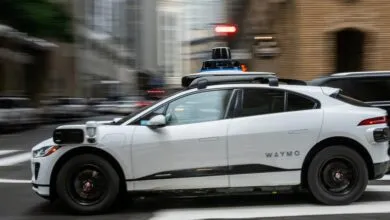
– The NTSB has opened an investigation into Waymo after its robotaxis were observed illegally passing stopped school buses in multiple states.
– Tesla has begun offering limited driverless robotaxi rides in Austin and has discontinued its basic Autopilot system, shifting focus to its Full Self-Driving (FSD) software.
– Drone delivery startup Zipline raised $600 million, reaching a $7.6 billion valuation, and plans a significant U.S. expansion with its P2 platform.
– Several other mobility and transportation startups, including Ethernovia and Serve Robotics, secured major funding or completed notable acquisitions.
– Additional industry developments include Geely’s robotaxi fleet plans, GM shifting production to the U.S., and a journalist completing a cross-country drive using Tesla’s FSD software.
The landscape of automated driving technology is experiencing a significant moment of regulatory and commercial transition. The National Transportation Safety Board has initiated an investigation into Waymo following reports of its autonomous vehicles repeatedly passing stopped school buses in multiple states. This scrutiny arrives alongside pivotal developments at Tesla, which is making strategic shifts in its driver-assistance offerings as it navigates legal challenges and pursues its vision for a driverless future.
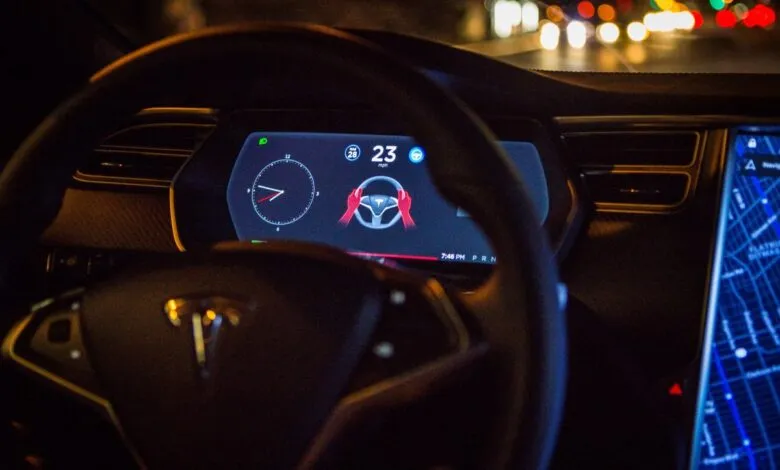
Tesla generated considerable attention this week by beginning to offer passenger rides in Austin without a human safety driver in the front seat. This move expands a limited service launched last year using modified Model Y vehicles equipped with a more advanced iteration of its Full Self-Driving (FSD) software. While not the entire fleet and reportedly accompanied by a chase vehicle, this step signals a tangible move toward broader deployment of driverless technology. Concurrently, Tesla has officially discontinued its original Autopilot system, a standard feature since 2014 that provided traffic-aware cruise control and lane-centering. This decision follows the company’s announcement to eliminate a one-time $8,000 fee for FSD, moving all customers to a monthly subscription model.
These business moves collectively suggest a push to recognize more recurring revenue from its premium software, aligning with Tesla’s positioning as an AI and robotics leader. However, another compelling factor exists. The company is confronting a potential 30-day suspension of its California licenses after a judge ruled its marketing of Autopilot and FSD was deceptive. The ruling, currently stayed for compliance, raises questions about whether retiring the Autopilot name and emphasizing FSD subscriptions will satisfy regulatory concerns.
In other industry news, autonomous delivery startup Zipline has secured a substantial $600 million in new funding, boosting its valuation to $7.6 billion. The company, which began by delivering medical supplies via drone in Rwanda, plans a major U.S. expansion into Houston and Phoenix with its newer P2 drone platform, targeting home delivery of food and retail goods.
Additional notable developments include Geely Holding Group outlining ambitions for its Cao Cao Mobility unit to operate 100,000 robotaxis across major Chinese cities by 2030. Meanwhile, General Motors is shifting production of two gas-powered models from China and Mexico to a U.S. plant in Kansas, a move that will unfortunately end production of the revived Chevrolet Bolt EV at that facility. In a separate legal matter, Luminar founder Austin Russell has agreed to comply with an electronic subpoena for phone information related to the lidar company’s bankruptcy proceedings.
The pace of innovation continues, with companies like Serve Robotics acquiring hospital-robot maker Diligent Robotics, hinting at more crossovers between autonomous vehicle tech and robotics. As these technologies advance, the interplay between commercial ambition, real-world deployment, and regulatory oversight will undoubtedly shape the trajectory of mobility for years to come.
(Source: TechCrunch)