Rebuild Trust in a Broken Social Media Era

▼ Summary
– Social media usage is widespread in the U.S., with YouTube and Facebook being the most used platforms, but public trust in these platforms and news organizations is declining significantly.
– Overly polished, AI-generated content and tone-deaf marketing concepts often backfire, as audiences seek authenticity and can perceive such content as inauthentic or dismissive of human creativity.
– Undisclosed AI-generated content erodes trust, with major risks being consumer concern over non-disclosure and the perceived spread of misinformation.
– To build trust, marketers should prioritize transparency, collaborate with relatable micro-creators for authentic endorsements, and clearly disclose AI use and partnerships.
– Trust is being rebuilt through human connection, favoring user-generated content, active community engagement, and human-led brand voices over platform algorithms and synthetic content.
Social media has become a fundamental aspect of daily life for American adults, with platforms like YouTube and Facebook seeing widespread adoption. Yet, a significant shift is occurring beneath the surface of this connectivity. Public trust in these platforms and the information they host is eroding. People increasingly turn to social media for news and product discovery, but they approach content with heightened skepticism. This presents a critical challenge and a distinct opportunity for marketers and creators who can demonstrate genuine credibility.
Several key factors are contributing to this breakdown in trust. Audiences have grown weary of overly polished, inauthentic content. Campaigns that prioritize sterile perfection or overtly rely on artificial intelligence often fail to resonate, and can even provoke backlash. For instance, an airline’s attempt at an AI-generated TikTok video was met with criticism from followers who felt the brand was cutting corners instead of engaging authentically. Similarly, a major tech company faced public outcry over an ad that was perceived as dismissive of human creativity, despite its high production value.
The issue extends to transparency. There is growing consumer concern about undisclosed AI-generated content and the associated risk of misinformation. Studies indicate that a majority of social media users are wary of brands that do not openly disclose their use of synthetic media. Furthermore, when AI is used to replace genuine human experience, such as in a commercial where a father uses an AI tool to write a personal letter, it can feel disingenuous and provoke negative reactions. People inherently value the human touch and can often detect its absence.
So, how can brands navigate this landscape and rebuild essential trust? The path forward emphasizes authenticity and human connection over automation and scale.
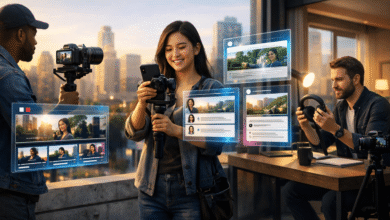
A powerful strategy involves collaborating with micro-creators and subject-matter experts. Consumers, particularly younger generations, often feel a stronger personal connection to relatable creators than to traditional celebrities. Effective partnerships are less about a creator’s follower count and more about their authentic alignment with your brand values and their demonstrated expertise. Nano and micro-influencers are increasingly favored for their perceived relatability and trusted voices within specific communities.
Transparency is non-negotiable. Clearly disclosing partnerships, brand deals, and the use of AI-generated content is crucial for maintaining consumer trust. While regulations are still evolving, platforms are implementing labels for synthetic content, and consumers overwhelmingly expect honesty. A history of transparency can even help a brand recover from a misstep, as customers are more likely to offer a second chance to companies that are consistently open.
Brands must also actively monitor their online presence, including where their ads may appear alongside low-quality or AI-generated content. Proactively managing brand safety helps maintain a trustworthy reputation.
Perhaps most importantly, embracing user-generated content and a human-led brand presence is essential. Featuring real employees and customer stories adds a layer of authenticity that polished corporate messaging cannot replicate. Google’s search algorithms increasingly prioritize such genuine, experience-based content in response to user behavior. Furthermore, actively supporting and participating in community-led conversations on platforms like Reddit or Discord fosters genuine connection, moving beyond one-way broadcasting to meaningful engagement.
Ultimately, trust is being rebuilt through people, not just platforms or algorithms. The brands that will succeed are those that choose to feel more human, leveraging relatable creators, transparent practices, and content that reflects real experiences. In an era of digital skepticism, the decision to prioritize authentic human connection is the most impactful marketing choice a brand can make.
(Source: Search Engine Journal)