Amazon’s Bee AI Wearable: A Hands-On Review
▼ Summary
– The Bee device is easy to use, with simple button controls and a companion app for configuring gestures to bookmark, process, or leave voice notes in conversations.
– Unlike other AI transcription services, Bee segments and summarizes audio into color-coded sections rather than providing a raw transcript or simple overview.
– The app has limitations, including an unclear method for labeling speakers and the discarding of original audio after transcription, making it unsuitable for professional accuracy checks.
– Amazon positions Bee as a personal AI companion that integrates with services like Google to suggest follow-up tasks and offers features like voice notes and memory review.
– The article questions the social acceptability of such devices, noting they require a cultural shift regarding recording consent and could lead to increased self-censorship in public.
Amazon’s Bee AI wearable offers a simple, button-press interface for recording and transcribing conversations, but its true innovation lies in how it processes audio. Instead of delivering a standard transcript, the device intelligently segments discussions into distinct parts, like an introduction or a deep dive into product details, and provides a color-coded summary for each section. This approach aims to transform raw dialogue into organized, actionable notes with minimal user effort.
Operating the device is straightforward. A single press starts or stops a recording. Through the companion app, users can customize what a double-press does, such as bookmarking a segment or triggering immediate AI processing. A press-and-hold gesture can be set to either record a personal voice note or activate the AI assistant for a chat. The app itself is notably polished, representing a significant step up in design compared to Amazon’s other mobile offerings like the Alexa experience.
Where Bee diverges from professional transcription tools is in its handling of speaker identification and audio retention. Labeling different speakers isn’t intuitive; you can only confirm if you were the speaker for a segment, lacking the detailed speaker tagging found in services like Otter or Fireflies. More critically, Bee deletes the original audio file after transcription. This makes it unsuitable for scenarios where verifying the exact wording or tone is necessary, positioning it less as a precision work tool and more as a personal memory aid.
Amazon envisions Bee as a daily companion that integrates with your life. By connecting to Google’s services, it can suggest follow-up actions. After a conversation at a conference, for instance, it might prompt you to connect on LinkedIn or research a mentioned product. The app also features a “memories” section to review past days and a “Grow” area that promises personalized insights over time. Users can build a “facts” profile about themselves, similar to memory features in other AI chatbots.
Privacy and social norms are central considerations for a device like this. Bee does not constantly listen by default, a conscious design choice that contrasts with controversial always-on wearables. When recording, a green light activates to notify others. Amazon emphasizes the importance of consent, suggesting users ask permission before recording private conversations, though expectations differ at public events.
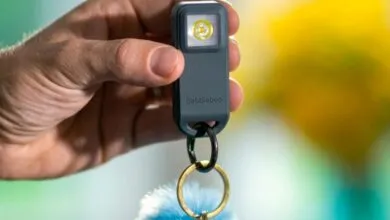
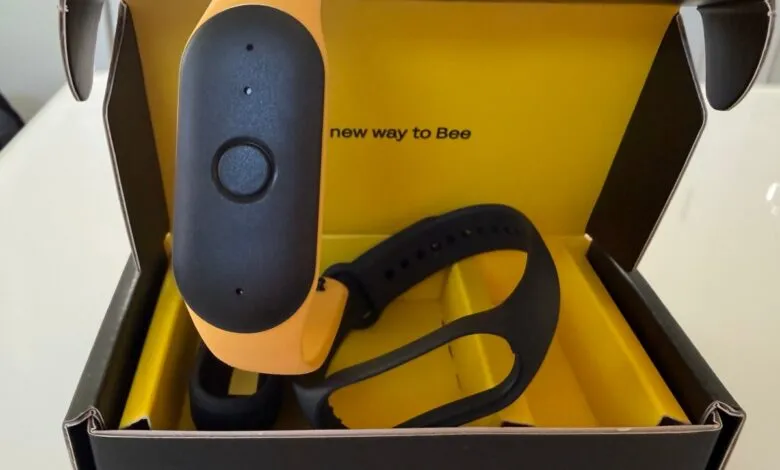
The physical design has room for improvement. The included sports band felt somewhat flimsy during testing, detaching unexpectedly even during sedentary activities like a taxi ride. The clip-on pin alternative appears more robust but wasn’t thoroughly evaluated in this trial.
The broader question Bee raises is whether there’s a genuine consumer need for an AI dedicated to recording casual conversations. Its utility in professional settings like interviews is clearer, but its everyday value is unproven. Widespread adoption would likely require a cultural shift around recording etiquette. While recording in public is often legal, doing so without explicit permission could be viewed as intrusive or in poor taste, potentially leading people to modify their speech if they suspect they’re being recorded.
An encounter at CES highlighted this emerging reality. A representative, wearing a discreet recording device, joked about capturing a comment regarding a competitor’s product, creating a moment where casual banter felt unexpectedly documented. It underscored a potential future where more of our spoken words become “on the record.”
Ultimately, Bee’s success or failure in the market will serve as a real-world test for Amazon, revealing whether consumers are ready to invite this type of always-available audio AI into their daily lives. The company has announced plans to ship additional features throughout the year, suggesting this is just the beginning of its exploration into wearable conversation assistants.
(Source: TechCrunch)