CES 2026: Nvidia, AMD & Razer’s Biggest Reveals
▼ Summary
– CES 2026 concluded with AI, particularly “physical AI” and robotics, being the dominant theme across major company announcements and the show floor.
– Nvidia announced its new Rubin computing architecture to replace Blackwell and introduced Alpamayo AI models for autonomous vehicles, continuing its push into physical-world AI.
– AMD’s keynote focused on expanding AI’s reach through personal computers using its new Ryzen AI 400 Series processors and featured partnerships with industry leaders.
– Notable product reveals included Ford’s upcoming AI vehicle assistant, Caterpillar’s AI partnership with Nvidia for construction, and Clicks Technology’s BlackBerry-like Communicator phone.
– Other highlights ranged from LG’s home robot CLOiD and a more affordable UV printer from eufyMake to partnerships like Boston Dynamics with Google on Atlas robots and Lego’s first CES appearance for its Smart Play System.
The Consumer Electronics Show in Las Vegas has drawn to a close, leaving a trail of innovative announcements in its wake. CES 2026 solidified a clear industry trajectory where artificial intelligence moves beyond the digital realm to interact directly with our physical environment. While major players like Nvidia, AMD, and Razer captured headlines with significant reveals, the event also featured a fascinating array of specialized hardware and ambitious startups, all contributing to a broader narrative of intelligent, connected technology.
A dominant theme this year was the shift toward physical AI, with robotics taking center stage across the exhibition halls. This focus on tangible, real-world applications marked an evolution from the previous emphasis on purely software-based agentic systems. Companies demonstrated how AI is being integrated into everything from construction sites to home appliances, signaling a new phase of practical implementation.
Nvidia made a powerful statement with CEO Jensen Huang’s keynote, which celebrated the company’s market position and outlined its future roadmap. A major technical highlight was the introduction of the Rubin computing architecture, designed to succeed the current Blackwell platform later this year to meet escalating computational demands. Beyond hardware, Nvidia pushed further into autonomous systems, unveiling its Alpamayo family of open-source AI models intended for use in self-driving vehicles. This strategy reflects a broader ambition to establish a universal foundation for robotics, akin to an operating system for the physical world.
Not to be outdone, AMD kicked off the conference with its own keynote, featuring prominent partners like OpenAI’s Greg Brockman and AI pioneer Fei-Fei Li. The company detailed its plan to expand AI accessibility through personal computing, spotlighting its new Ryzen AI 400 Series processors. This move aims to bring advanced AI capabilities directly to consumer PCs, decentralizing power from the cloud.
The show floor was also a showcase for the peculiar and the novel. Clicks Technology generated considerable buzz with the debut of its Communicator phone, a $499 device that revives the physical keyboard with a distinct BlackBerry aesthetic. It includes an optional slide-out keyboard for other devices, appealing to those who miss tactile typing. Initial hands-on impressions were positive, noting the phone’s comfortable, contoured design and thoughtfully elevated screen.
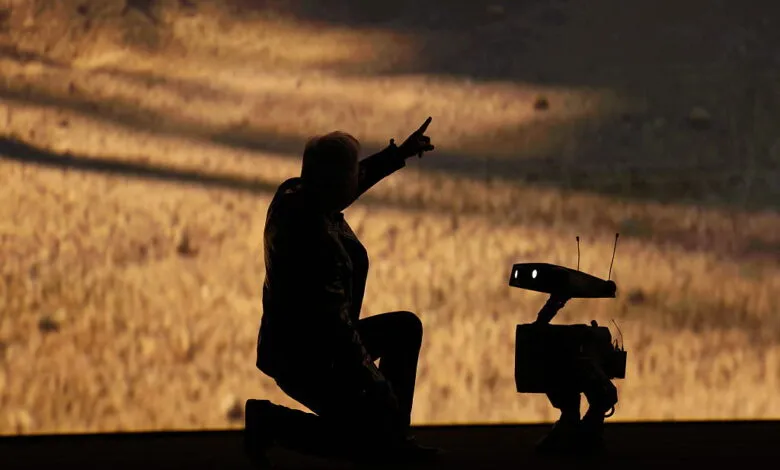
In the realm of home robotics, LG presented its CLOiD robot, designed for domestic assistance. However, live demonstrations revealed a product still in development, with the robot performing simple tasks like moving laundry or a croissant with deliberate, sluggish care. The contrast between the polished promotional videos and the actual on-stage performance was notable.
For creators and small businesses, eufyMake announced the E1 UV printer, bringing industrial-grade direct-to-object printing to a more accessible price point of $2,299. This device could empower individuals to customize items like mugs and phone cases in bulk, a capability previously reserved for large-scale operations.
Ford provided a glimpse into the future of driving with a preview of its new AI assistant, slated for a 2027 vehicle integration. Built on commercially available large language models and hosted on Google Cloud, the assistant will first appear in the Ford app. Specific details about its functionality and driver experience, however, remain under wraps.
A significant partnership between Caterpillar and Nvidia aims to bring automation to construction sites. Their pilot “Cat AI Assistant” was demonstrated on an excavator, combining on-board AI with Nvidia’s Omniverse simulation tools to assist in both equipment operation and project planning.
Razer, known for its extravagant hardware reveals, joined the AI wave with two conceptual projects. Project Motoko is designed to offer smart glasses functionality without the actual glasses, while Project AVA proposes an AI companion with a digital avatar that resides on your desk, representing a more personal and visible form of artificial intelligence.
Other notable announcements included Lego’s first-ever CES appearance, where it privately demonstrated a Smart Play System of interactive bricks and figures with Star Wars themes. Amazon heavily promoted its Alexa+ upgrade, launching a web portal and revamped app for its advanced chatbot, alongside updates to Fire TV and new Artline televisions. Furthermore, a collaboration between Boston Dynamics, Hyundai, and Google was revealed, focusing on using Google’s AI research to train and operate both existing and next-generation Atlas humanoid robots.
From family planning tools like the AI-enhanced Skylight Calendar 2 to novel platforms like MyCommuters for optimizing office location based on employee data, CES 2026 proved to be a comprehensive display of how technology seeks to understand, assist, and integrate into every facet of daily life.
(Source: TechCrunch)