CES 2026: Top Robots, Phones & Lego Revealed
▼ Summary
– The Consumer Electronics Show (CES) features both staple gadgets like large TVs and smart home devices, as well as new concepts hinting at the tech industry’s vision of the future.
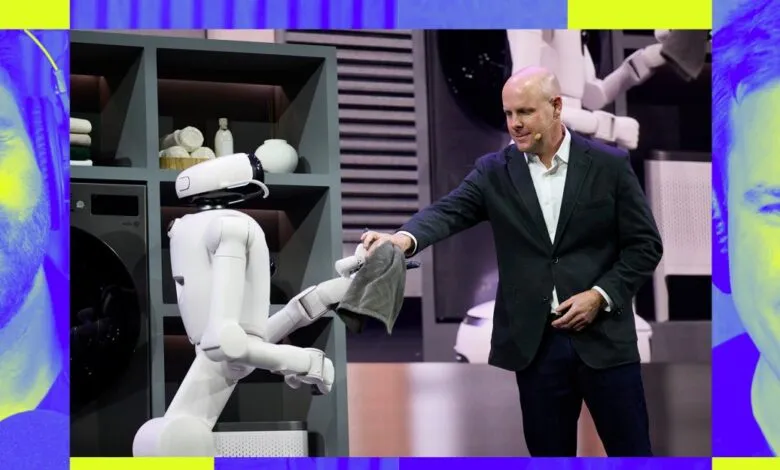
– A Vergecast episode highlights early announcements, starting with humanoid robots like LG’s model that claims laundry capabilities despite appearing incapable.
– The episode also covers new mobile devices, including the Clicks Communicator, noted as a potentially popular gadget for consumers.
– AI is pervasive at this year’s CES, but the show also marks a return to a focus on tangible, gadget-oriented products.
– Notably absent from the announcements is the Trump Phone, which the hosts express surprise about.
The Consumer Electronics Show in Las Vegas is once again the epicenter of technological innovation, showcasing a vast array of new gadgets that signal where the industry is headed. While the event is famous for its staples like massive televisions and smart home sensors, this year’s early reveals offer a fascinating glimpse into a future shaped by advanced robotics, practical mobile tech, and surprisingly clever toys. The sheer volume of announcements underscores a significant trend: artificial intelligence is now embedded in nearly every product category, yet there’s also a noticeable shift back towards tangible, functional hardware that promises to solve real-world problems.
One of the most talked-about segments this year involves humanoid robots. Companies like LG are making bold promises about machines capable of handling domestic chores, such as laundry. However, early demonstrations often reveal a significant gap between the ambitious vision and the current, more limited capabilities of these robotic assistants. This highlights the ongoing challenge in robotics: moving from impressive prototypes to reliable, everyday helpers that consumers can trust in their homes.
In the mobile space, a standout announcement is the Clicks Communicator, a device generating considerable buzz for its potential appeal to mainstream buyers. It represents a category of gadget that feels both innovative and immediately useful, avoiding the trap of being a mere novelty. This focus on practical utility is a refreshing theme, suggesting manufacturers are keenly aware of the need for products that offer clear value rather than just technological spectacle.
The smart home category continues to expand at a breakneck pace. This year’s show features an overwhelming number of new sensors, controllers, and integrated systems designed to make homes more automated and responsive. Alongside this, television manufacturers are pushing boundaries with ever-larger screens and enhanced display technologies. Audio hasn’t been forgotten either, with at least one major new party speaker system making a splash, aiming to be the centerpiece of social gatherings.
Perhaps one of the more unexpected highlights comes from the world of toys. Lego has introduced a new, highly intelligent building system that merges physical play with digital smarts, capturing the imagination of both children and adults. It’s a perfect example of how cutting-edge technology is filtering into every corner of the consumer market.
While AI’s presence is undeniably pervasive, giving even mundane devices a layer of smart functionality, there’s a palpable return to a focus on the gadget itself. The show feels like a celebration of hardware innovation, with companies competing on design, functionality, and user experience. Notably absent from the flurry of releases is any mention of a certain controversial political phone, a silence that has itself become a point of discussion among attendees. For those eager to dive deeper into any of these announcements, detailed information is readily available through official channels and tech publications covering the event.
(Source: The Verge)