Razer Unveils AI Headset With Built-In Cameras
▼ Summary
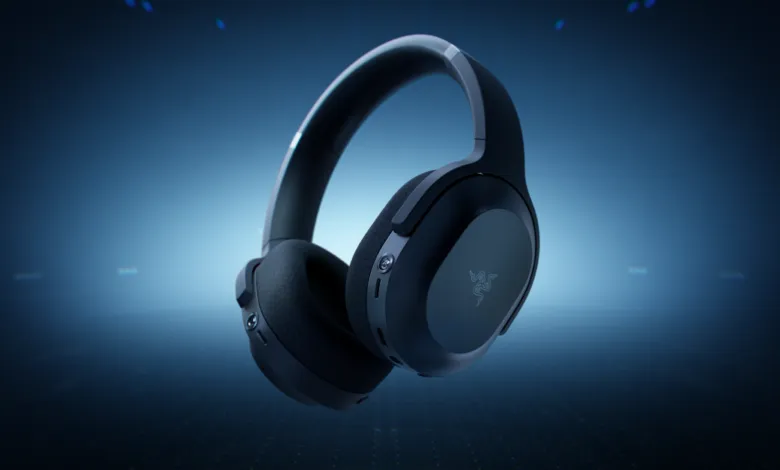
– Razer unveiled a concept AI wearable called Project Motoko at CES, which resembles a pair of wireless headphones with built-in camera lenses in the ear cups.
– The device uses dual cameras and microphones to capture its surroundings and audio, powered by a Qualcomm Snapdragon chip for hands-free control and interaction.
– It is designed to be compatible with major AI models like OpenAI and Google Gemini, acting as a context-aware, adaptive personal assistant.
– Razer argues the headphone form factor is superior to glasses for such a device, as it is commonplace and offers ample internal space, targeting a large potential market.
– Project Motoko is currently only a concept design with no guarantee of becoming a commercially available product for purchase.
At CES, Razer introduced a bold concept for an AI wearable, Project Motoko, which integrates advanced artificial intelligence into a familiar headset design. This device, resembling the company’s own Barracuda gaming headphones, features dual first-person-view cameras embedded in each ear cup. These cameras, positioned at eye level, are engineered to capture text, objects, and the surrounding environment in real time. Powered by a Qualcomm Snapdragon processor, the system also incorporates multiple microphones for voice commands and environmental audio capture, alongside hands-free controls for managing audio settings.
The core proposition of Project Motoko is its universal compatibility with major AI platforms like OpenAI, Google Gemini, and Grok. Razer envisions the headset functioning as a proactive, full-time assistant that learns from a user’s schedule, preferences, and habits. The company claims the system can interpret context and deliver instantaneous responses, aiming to make AI interaction more seamless and integrated into daily life.
Razer’s strategic choice of a headphone form factor is a calculated one. The design leverages a widely accepted and commonly worn accessory, avoiding the social awkwardness sometimes associated with conspicuous smart glasses. Furthermore, the substantial internal space of a headset allows for more robust hardware and cooling solutions compared to the cramped confines of eyewear frames. Razer points to a significant market opportunity, citing an “untapped” potential audience of approximately 1.4 billion existing headset users globally.
It is crucial to note that Project Motoko remains strictly a concept demonstration with no guaranteed commercial release. Razer has a history of showcasing innovative prototypes that do not always transition to consumer products. While the design presents a compelling vision for the future of ambient AI computing, its journey from show floor spectacle to store shelf remains uncertain.
(Source: The Verge)