CES 2026: The Real AI Advantage Is How You Use It
▼ Summary
– CES is a major annual consumer technology trade show held in Las Vegas during the first full week of January, featuring global companies showcasing new innovations.
– Artificial intelligence (AI) is expected to be a dominant theme at CES for the third consecutive year, with companies integrating AI features into many new devices.
– The widespread adoption of AI has led to market saturation, making it a less meaningful differentiator as many products offer similar AI-powered capabilities.
– The key competitive advantage for products is now the maturity and effectiveness of their underlying software and user experience, not just the presence of AI.
– This trend is exemplified by smart glasses, where numerous new models with advanced features must compete with Meta’s established lead in software execution and design.
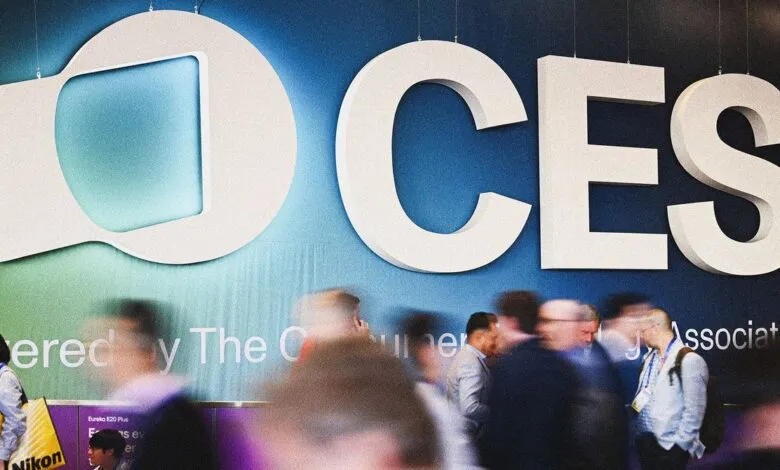
The annual Consumer Electronics Show (CES) in Las Vegas marks the official start of the tech year, a whirlwind week where global companies unveil their latest gadgets and innovations. Our team will be on the ground, exploring every corner of the event to bring you live coverage of the most significant launches and curious discoveries. You can follow all the action through our dedicated live blog and comprehensive event reports.
For the third consecutive year, artificial intelligence will dominate the conversation. The industry-wide push to integrate AI, from chatbots and computer vision to intelligent sensors, into every conceivable device has reached a saturation point. This creates a curious paradox: when every product boasts similar AI features, the term itself begins to lose its distinguishing power.
“Everything is AI now, so nothing is AI,” observes Anshel Sag, a principal analyst at Moor Insights & Strategy. He notes that the label has become so ubiquitous that it no longer conveys a meaningful advantage. The real competition has shifted. With competing devices often offering comparable AI capabilities, the winner will be determined by superior software execution and a more refined user experience.
“It’s really a software maturity story,” Sag explains. While perhaps less glamorous than a flashy new chip, the nuanced application of AI is what will separate market leaders from the pack. Consider the category of smart glasses. A flood of new models is expected at CES, each promising voice-activated search, crisp displays, and real-time translation. Yet they all enter a market where Meta has established a formidable lead through years of iterative design and software refinement. Their success stems not from having AI, but from mastering its implementation to create a seamless product.
This pattern extends across nearly every product category. The initial race to slap an “AI-powered” label on a box is over. The next phase is a deeper, more strategic contest focused on how intelligently and intuitively that technology is deployed to solve real user problems. The advantage no longer lies in simply having AI; it lies in knowing how to use it best.
(Source: Wired)