CES 2026: The Biggest Tech Trends to Watch

▼ Summary
– CES 2026, the major tech show, begins on January 6th in Las Vegas, featuring new product demos and announcements from top industry players.
– Key laptop announcements will center on new chips from Intel, Qualcomm, and AMD, with a focus on efficiency, graphics power, and innovative form factors.
– The smart home category will be dominated by advanced robotics and AI, including humanoid bots and smarter security cameras integrated with the Matter standard.
– TV manufacturers will compete with new, smaller-sized RGB LED and Micro RGB LED TVs, though their exact release dates and pricing remain uncertain.
– The show will also highlight unconventional smartphones like foldable models, smart glasses blending XR and AI, and health tech focused on longevity and metabolic tracking.
Next week, the technology world turns its attention to Las Vegas for the annual spectacle of CES. This premier event offers a first look at the innovations set to define the coming year, from groundbreaking laptops and immersive TVs to advanced robotics and intelligent health devices. Our live coverage will bring you every major announcement and product demo directly from the show floor.
While staples like laptops, smart home gadgets, and televisions will undoubtedly fill the convention center, the spotlight is shifting. Artificial intelligence integration is becoming ubiquitous, weaving its way into everything from security cameras to personal companions. Meanwhile, the robotics section promises a leap forward, showcasing everything from sophisticated household helpers to humanoid prototypes that hint at a future once confined to fiction.
The event officially begins on Tuesday, January 6th, but the news cycle starts earlier, with a flurry of press conferences on Sunday. Here’s a breakdown of the key trends and products we anticipate dominating the conversation.
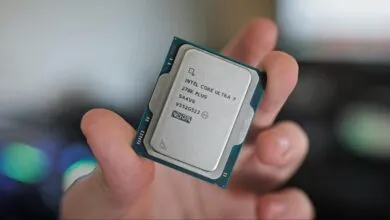
Laptops CES remains a central stage for laptop announcements from nearly every major manufacturer. The buzz this year centers on three new processor families: Intel’s Panther Lake, Qualcomm’s Snapdragon X2, and AMD’s rumored “Gorgon Point” chips. Each company is touting major leaps in power efficiency and graphics performance. With current battery life already impressive and integrated graphics reaching new heights, the competition is fiercer than ever. Beyond internal specs, there is hope for more adventurous designs. The industry could use more tangible progress on innovative form factors like rollable displays, dual screens, and practical foldables, moving them beyond mere concept stages.
Smart Home Prepare for an invasion of robots. The smart home category is evolving beyond simple connected devices into a realm of active robotic assistance. We expect to see a wider array of autonomous vacuums, lawn mowers, and pool cleaners, alongside more dexterous humanoid models. While a robot butler won’t be folding your laundry this year, advances in computer vision are making sophisticated robotic helpers an imminent reality.
Artificial intelligence is also transforming security, pushing cameras into a more proactive role within home automation. New features will use deeper intelligence to provide meaningful context about events, moving beyond simple recording. Support for the Matter connectivity standard is another anticipated step forward, promising better interoperability. Finally, smart locks continue to be a focal point, with new models featuring palm, facial, and ultra-wideband (UWB) unlocking. Manufacturers are also refining designs to be more discreet, acknowledging that not every front door needs a futuristic aesthetic.
Gaming Following a blockbuster year for PC gaming hardware, CES 2026 appears more subdued on that front. Major GPU launches from Nvidia, Intel, and AMD seem unlikely, and even traditionally flashy exhibitors like Razer are scaling back their presence. The gaming section of the convention center may instead be dominated by a different category: video glasses and extended reality (XR) devices, indicating a shift in where companies see the most immediate growth and consumer interest.
TVs A major display technology war is set to erupt. RGB LED TVs, in both mini and micro variants, will be showcased by every major manufacturer, building on introductions from last year. Samsung and LG have already announced plans for smaller, more accessible sizes, while TCL and Hisense are expected to reveal new international models. The critical unanswered questions are pricing and availability. Last year’s massive models carried price tags approaching $30,000, but increased competition and manufacturing improvements could bring costs down to more consumer-friendly levels. CES should provide clarity on just how attainable these next-generation displays will be.
Smartphones CES isn’t typically the venue for mainstream phone launches, but it excels at showcasing the unusual. The most anticipated oddity this year is the Samsung Galaxy Z Trifold. Having recently launched in Korea, CES presents a perfect global stage for this double-folding device. While undoubtedly expensive and arguably excessive, it represents a bold experiment in form factor, potentially merging a phone and a 10-inch tablet into a single, pocketable device. Its appearance would firmly signal that the era of folding screens is expanding into new, more complex designs.
Wearables and Health Tech The wearable category is broadening its focus. While health tracking remains core, the emphasis is shifting toward smart glasses and AI-powered devices. Following their strong presence last year, smart glasses are expected to return in even greater variety, with some models blurring the lines with full headsets and exploring novel ways to integrate displays.
In health technology, the buzzword is “longevity.” Expect to see devices and services aimed at proactive health monitoring and chronic disease prevention. This trend often involves analyzing bodily fluids like blood and urine to gain insights into metabolic and hormonal health. Following early moves by companies like Whoop and Oura, we anticipate more experimental approaches from emerging brands at the show, pushing the boundaries of what personal health technology can measure and achieve.
(Source: The Verge)