The Ultimate Power Play Strategy
▼ Summary
– In 2017, the Trump administration attempted to subsidize struggling coal and nuclear power plants, but the plan failed to halt their decline.
– Since 2020, the nuclear industry has faced setbacks with plant closures and stalled construction, while coal’s share of US power generation has significantly dropped.
– In 2025, the administration is aggressively promoting nuclear energy, framing it as a solution to power the growing energy demands of artificial intelligence.
– Major tech companies like Google and Microsoft are investing in nuclear power through deals and supporting the restart of retired reactors to run data centers.
– Despite renewed public and private support, nuclear energy’s future remains uncertain due to high construction costs, vague government deals, and challenging project timelines.
Remember the energy landscape of 2017? The Trump administration, new to office, launched a major push to subsidize struggling coal and nuclear power plants. That multi-billion dollar taxpayer-backed plan ultimately failed. In the years since, nuclear power faced significant hurdles, with several plant closures and stalled projects, while coal’s share of U.S. electricity generation continued its steep decline from 45 percent in 2010 to just 17 percent today.
Now, both energy sources are staging a comeback, fueled this time by the soaring electricity demands of artificial intelligence. Whether this attempt succeeds where the last one faltered remains an open question.
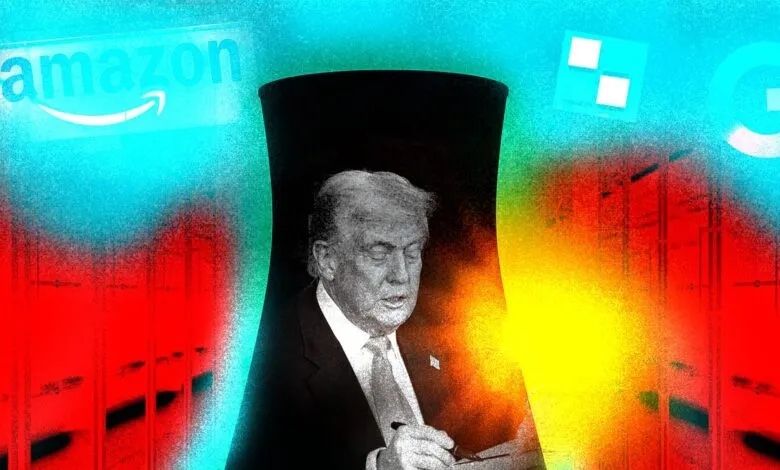
The current administration has made nuclear energy a cornerstone of its 2025 agenda, explicitly framing it as the solution for powering the AI boom. A series of May executive orders mandated the construction of 10 new large reactors by 2030. These orders spurred a pilot program at the Department of Energy and a significant overhaul of the nation’s nuclear regulatory body, which officials claim has already yielded breakthroughs from smaller startups. Energy Secretary Chris Wright stated that AI progress “will be accelerated by rapidly unlocking and deploying commercial nuclear power.”
This governmental enthusiasm is matched by substantial investment from the technology sector. Major firms including Google, Amazon, and Microsoft have signed multiple agreements with nuclear companies to supply electricity for their data centers. Microsoft’s involvement is so deep that it joined the World Nuclear Association. There is active consideration of restarting several retired U.S. reactors, with tech companies providing financial backing for some proposals. A prominent example is Microsoft’s effort to restart the Three Mile Island facility, supported by a federal loan of one billion dollars. Public support for nuclear power has also risen to its highest level since 2010, creating a favorable political and economic environment for this push.
However, the fundamental challenges of nuclear energy cast a long shadow over its promising future. The primary obstacle has always been the immense cost and complexity of construction, not merely regulation. Industry observers express skepticism about the inflated valuations of small modular reactor startups, particularly those with close ties to the current administration. A recent eighty-billion-dollar government agreement with reactor manufacturer Westinghouse provided few specifics, generating more uncertainty than clarity. Despite high-profile announcements promising new reactors within a few years, the historical record suggests these ambitious timelines are notoriously difficult to meet. The practical realities of building nuclear infrastructure may once again undermine the grand plans being made in boardrooms and the White House.
(Source: Wired)