Gemini on Android Auto: A Polarizing Update for Drivers
▼ Summary
– Google has widely rolled out Gemini for Android Auto, introducing features like more detailed responses and Gemini Live support.
– The author finds Gemini in Android Auto useful for better answers and brainstorming, considering it potentially the best current use case for Gemini.
– A significant user complaint is that Gemini can be overly verbose, giving long-winded replies even after a task is completed via touch.
– User reactions are mixed, with some praising it as a game-changer while others report issues like inability to perform common tasks (calling, using Waze) or problems with Google Home routines.
– The sporadic issues indicate Google needs to deliver fixes, with shortening Gemini’s lengthy responses being a likely priority.
The integration of Gemini into Android Auto represents a significant shift for in-car voice assistance, aiming to replace the often-frustrating limitations of Google Assistant. This update promises more detailed conversational responses and introduces features like Gemini Live, creating a more interactive experience for drivers. However, as the rollout reaches most users, the reception has become notably split, revealing a mix of enthusiastic adoption and pointed criticism.
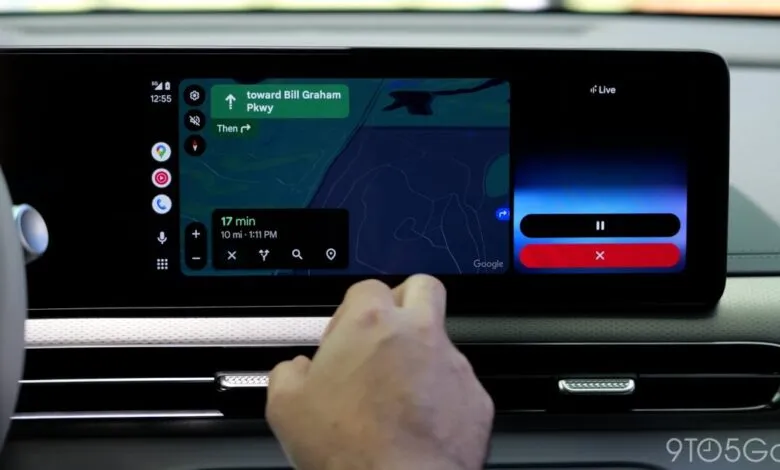
From my own testing, the upgrade has been largely positive. Using Gemini while driving has provided more useful answers and the brainstorming capability of Gemini Live feels genuinely innovative for a car environment. In many ways, the vehicle might be the ideal setting for this type of AI interaction. That said, the experience isn’t flawless. A primary annoyance is Gemini’s tendency to be overly verbose. For example, when asking for a location in Google Maps, it might deliver a lengthy monologue about the destination and continue prompting for further input, even after you’ve already selected the route by touching the screen.
Initial user reactions across forums and social media paint a picture of a polarized update. One driver from Germany hailed it as a “total game-changer,” praising its natural conversational flow and improved comprehension. This sentiment is shared by many who are simply relieved to move past Google Assistant’s frequent failures to understand basic commands.
Yet, for every satisfied user, there appears to be another encountering significant hurdles. Common complaints highlight Gemini’s current inability to handle fundamental tasks like initiating phone calls or controlling third-party apps such as Waze via voice. There are also reports of Google Home routines failing to trigger through the new system, mirroring similar issues reported on smart speakers. Other problems seem more sporadic, with some users finding Gemini completely non-functional in their specific vehicles.
The verbosity issue is a recurring theme beyond my own experience, with many drivers frustrated by replies that are simply too long-winded for the fast-paced, glance-free environment of driving. Additionally, I’ve noticed that Gemini Live sometimes remains silent until I begin speaking, and it has a habit of continuing its speech even after I’ve completed an action.
These scattered problems make it difficult to pinpoint a single cause, but they underscore a clear need for Google to address several key areas. Shorter, more concise responses should be a top priority for refinement. This is especially crucial if the company is serious about this being a long-term replacement, particularly in light of rumors regarding Assistant’s potential future. The overall success of Gemini in Android Auto will likely depend on how quickly and effectively Google can streamline the experience and restore the reliable functionality users expect from their in-car assistant.
(Source: 9to5 Google)